


false
Category
Author
Search for Articles
Trending Keywords
Category
Author
Search
Category
Author
Search
編輯推介

【Policy Loans 2022】Compare Policy Loan Interest Rates in One Article! What Risks Should You Be Aware Of?

2022-05-03 5min read
blog-Is-it-worth-cashing-in-your-life-insurance-policy-in-a-crisis-kv.png
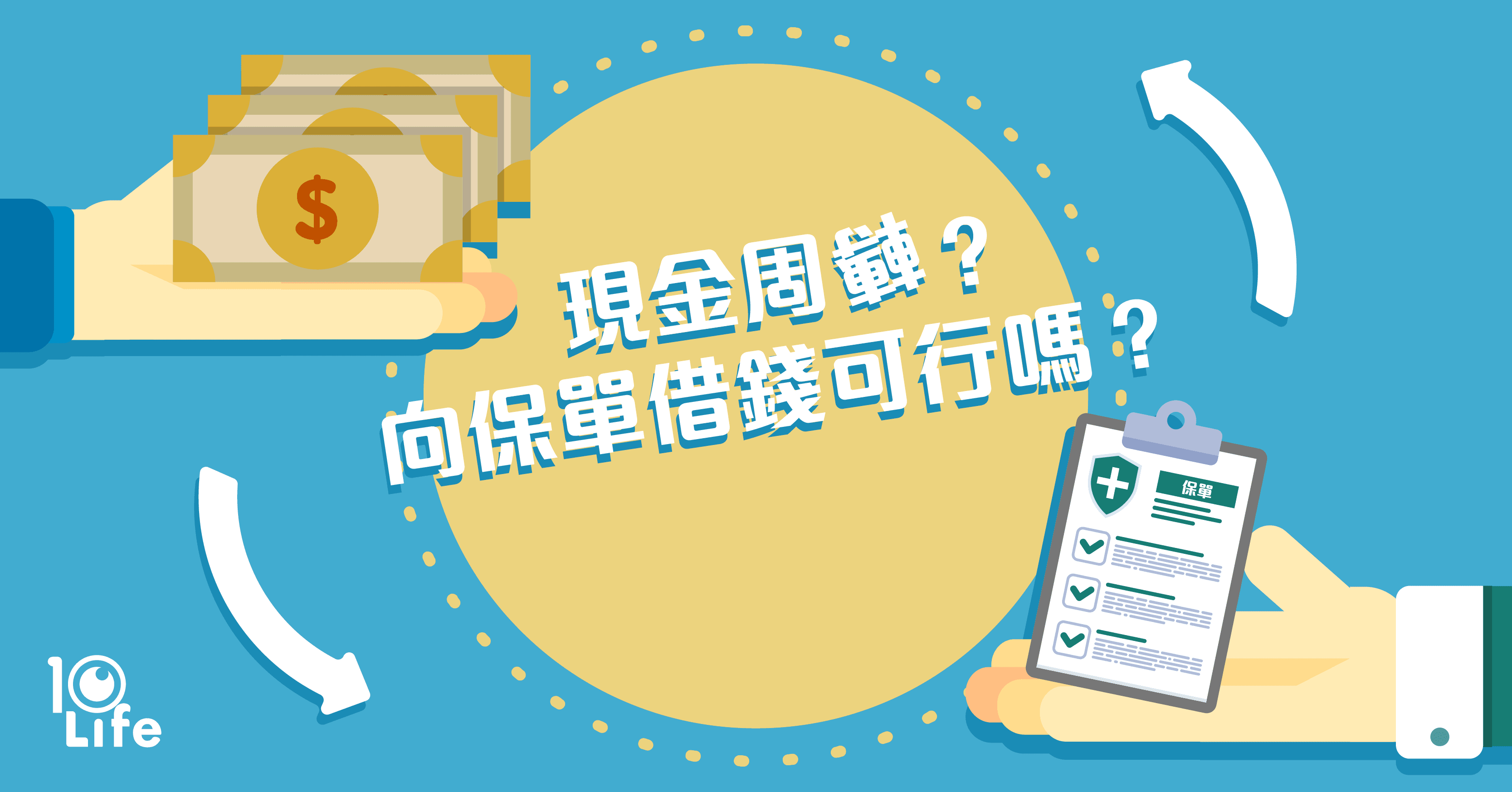
In recent years the pandemic has left many Hong Kong residents facing financial hardships, and many citizens have had to tighten their belts. To address cash-flow problems, some policyholders may want to temporarily stop paying premiums, withdraw money from their savings insurance policies, or even take out a policy loan. Are these methods feasible? What should be considered when carrying them out?

Withdraw bonuses from a savings insurance policy

If you want to "take money out" of a savings insurance policy, this involves how much cash value and bonuses have accumulated in the policy during the coverage period. First, regarding withdrawing bonuses: when you took out the policy, your insurance advisor should have explained the expected bonuses (for example, annual bonuses), but in practice how much bonus is in the policy depends on how long it has been allowed to accumulate and the premium payment period.
 
For example, Mr. Chan took out a long-term savings insurance policy a little over five years ago that requires 18 years of contributions, with a monthly premium of US$698. To date he has paid US$46,812 in premiums, and the accumulated bonuses amount to US$1,118. Generally speaking, withdrawing bonuses will not affect the policy's guaranteed cash value or life coverage, but the compounding/accumulation effect will be reduced.

Withdraw cash value from a savings insurance policy

Since bonuses may not be substantial, is it feasible to withdraw the cash value from one’s own policy? According to Mr. Chan’s example above, the cash surrender value available in his policy is US$8,705, together with accumulated dividends of US$1,118, so if he surrenders the policy now he could withdraw a total of US$9,823.
 
However, compared with the premiums already paid of US$46,812, Mr. Chan would be forfeiting 79% of the premiums paid. It is worth noting that if a customer has taken out a savings policy together with riders, the coverages provided by the latter (which may be medical, life, or accidental) will also be terminated when the savings policy is surrendered.

Policy loans charge interest of 5.5% to 10%.

Another emergency option to consider is a policy loan. Generally, after the initial premium payment period is completed, a policyholder can apply to the insurer for a policy loan to withdraw the policy's cash value. Unlike surrendering the policy, by taking a policy loan the coverage of the savings policy and any attached riders (if any) can continue.
 
The maximum loan amount for a policy loan is usually 80% to 90% of the policy's accumulated cash value, depending on the product. Of course, policy loans also incur interest, typically at an annual rate of 5.5% to 10%.
 
Additionally, some policyholders may wish to temporarily stop paying premiums to ease financial pressure. In fact, for some savings policies, if a policyholder stops paying premiums on their own, a policy loan may be automatically triggered, meaning they would incur loan interest; other savings policies may result in policy termination when premiums are stopped, so weigh the pros and cons before making this decision.
 
Insurance companies' savings policiesPolicy loan interest rate (per annum)
AIA7% (USD and HKD policies effective after 1977)
AXA8%
 
BOC Life7.5% to 10%
China Life7%
FT Life8%
FWD6%
HSBC Life7% (policies before 1 December 2018); 5.5% (on or after 1 December 2018)
 
Manulife10%
Prudential8%
Sun Life8%
Note: Policy loan interest rate information updated to 28 April 2022; subject to the insurers' announcements.

"Borrow or not? Don't borrow unless you can pay it back."

If you choose a policy loan, you will of course have to pay loan interest, which the insurer will deduct from the remaining cash value. In addition, if the policy is still in the premium-paying period, the policyholder must continue paying premiums during the loan; if the policyholder stops paying premiums, the remaining cash value will be further reduced, effectively increasing the amount borrowed. However, if the remaining cash value and bonuses in the policy are less than the outstanding loan balance, the policy may be terminated.
 
Referring again to Mr. Chan’s example, if he borrows $6,000 through a policy loan, the cash value falls to $2,705. The loan’s annual interest rate is 8%, which means $40 in interest per month. Since he needs to pay monthly premiums of $698, if he also stops paying premiums, the cash value of the savings insurance policy will only “last” another four months; if he does not repay or resume paying premiums, the policy will be terminated. So when deciding whether to borrow, always remember: “Borrow or not? Only borrow if you can repay.”

Savings insurance: pay attention to liquidity risk

One last reminder: most whole-life savings insurance policies are long-term. Through consistent saving, the insurer can make use of compounding effects to accumulate wealth for the client over the long run. However, the liquidity of funds in typical savings policies is not high, especially in the early stages of the policy. As in Mr. Chan’s case above — a policy with an 18-year premium payment period but with only a little over 5 years of premiums paid — its cash value is limited (relative to the premiums paid). If the policy’s premium payments have been completed, the cash value can be expected to exceed the premiums paid.
 
Therefore, insurance advisers should perform a Financial Need Analysis when selling, to ensure the client can afford the premiums during the payment term, and should make sure the client understands the liquidity risk.
 
Many people’s incomes have fallen sharply under the pandemic, but if you intend to use a policy loan or surrender the policy, you should discuss it clearly with your insurance adviser. If you want a second opinion, you can use 10Life’s “Ask Questions Anonymously” to get immediate replies from multiple licensed advisers.
 

Note: This article was last updated on 28 April 2022

This English version of this article has been generated by machine translation powered by AI. It is provided solely for reference purposes. In the event of any discrepancy or inconsistency between this translation and the original Chinese version, the Chinese version shall prevail.
10Life 編輯團隊

團隊成員由一群資料搜集員組成,主力保險相關資訊研究。

10Life 編輯團隊

團隊成員由一群資料搜集員組成,主力保險相關資訊研究。

Disclaimer

10Life 产品比较和 10Life 保险评分由获保监局授权持牌保险经纪公司 10Life Financial Limited(保监局牌照号码为FB1526)营运。10Life 产品比较和 10Life 保险评分是根据产品数据、事实陈述以及数据,并以一般消费者作为对象,从而作出数学运算,并不受与保险公司任何形式之合作或所获得之费用所影响。

10Life平台上之任何信息(「10Life信息」),包括但不限于产品比较、产品评分、网志文章等,旨在向香港特别行政区(「香港」)境内人士发布,所有信息及服务对象为于身处香港境内人士,仅供一般教育及参考用途。10Life信息无意,也不应被视为对任何保险、金融或投资产品进行受监管建议或专业建议、推荐、批准、认可、邀请或招揽。10Life信息并没有考虑阁下之个人需要,阅览有关数据也不应被视为正在进行个人合适性评估,且不足以构成任何购买保险产品决定的依据。购买任何保险产品或进行有关保险决定前,阁下应以保险公司提供的数据为准,自行进行研究,及/或寻求持牌保险中介人的独立及专业意见。10Life信息是以最大努力从不同渠道收集、验证、更新而成。10Life集团及其附属公司、关连人士、代理、董事、职员、员工将不会就有关资料引致的责任、索偿或损失负上任何责任,也概不保证或担保有关资料之准确性、完整性和适时性。

所显示保费数据尚未包括保险业监管局收取的保费征费,并均四舍五入至港元个位数。

如阁下对 10Life 产品比较和 10Life 保险评分有任何意见,欢迎电邮至 enquiries@10life.com

Whatsapp icon
Whatsapp icon
WeChat icon
WeChat icon
Enquiry icon Close icon
Back To Top
Whatsapp icon
Whatsapp icon
WhatsApp