


false
Category
Author
Search for Articles
Trending Keywords
Category
Author
Search
Category
Author
Search
Health
Editor's Pick

[Long Covid/Covid After-effects] What are the symptoms? How to treat them? 8 essential things you must know.

2022-05-23 5min read
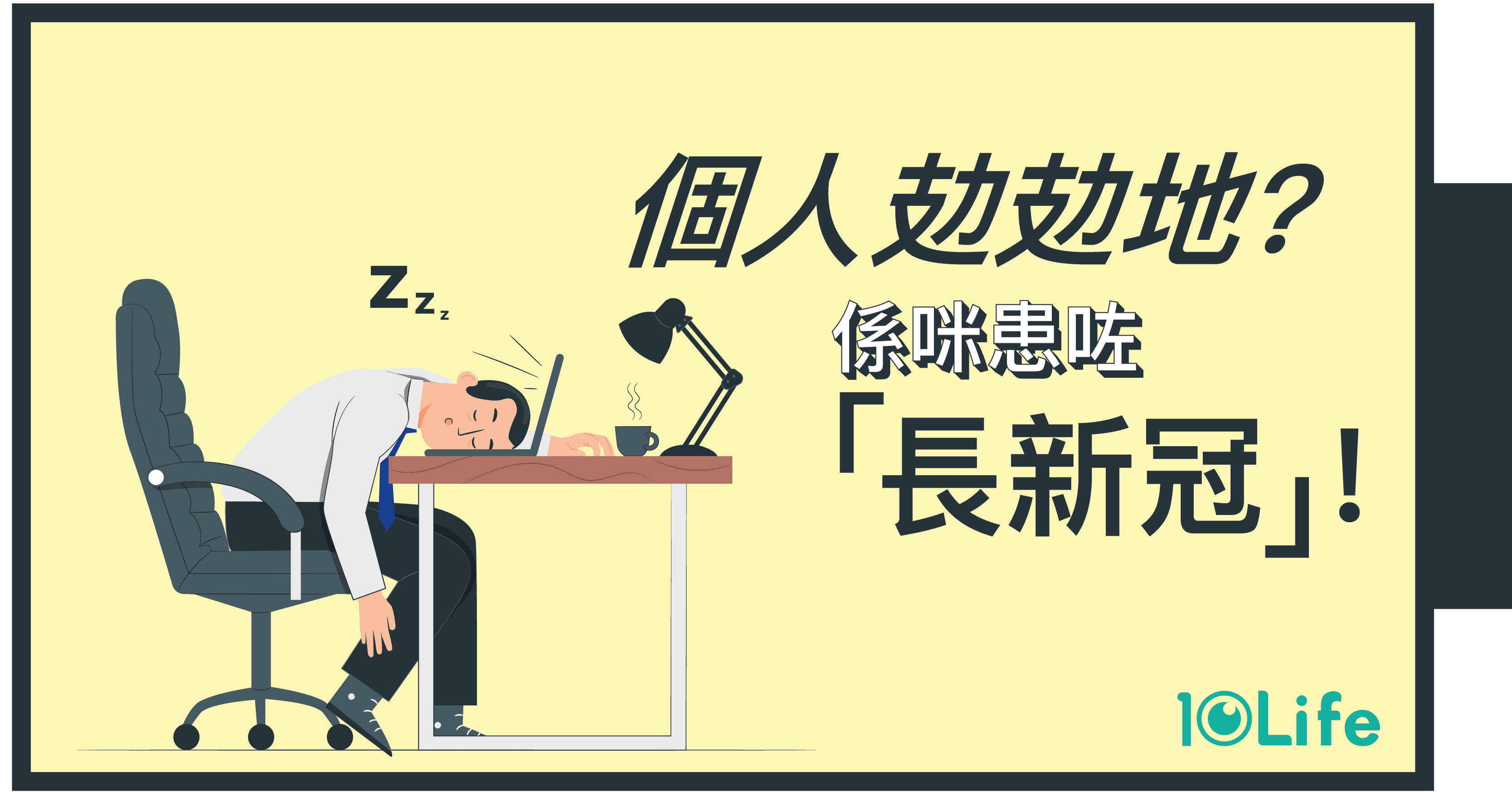
What-is-Long-Covid-and-What-You-Need-to-Know-kv.png
In Hong Kong, many individuals who have contracted COVID-19 feel that their physical condition has deteriorated. Increasingly, research indicates that "Long Covid" or "Post-COVID Syndrome" is a real issue, with approximately 10% to 20% of people experiencing various medium to long-term effects after their initial recovery. What should the general public be aware of, and how can they take precautions? Additionally, could this impact insurance applications?

1. What is Long COVID?

According to the clinical definition by the World Health Organization, long COVID symptoms typically "appear within 3 months after infection, persist for at least 2 months, and cannot be explained by other diagnoses". These symptoms may last for weeks, months, or even up to a year.

2. What are the symptoms?

Although the majority of COVID-19 patients can fully recover, some may experience a variety of medium to long-term symptoms, including:
 
  • Fatigue
  • Shortness of breath or difficulty breathing
  • Memory or concentration decline (commonly known as Brain Fog)
  • Sleep problems
  • Persistent cough
  • Chest pain
  • Difficulty speaking
  • Muscle pain
  • Loss of smell or taste
  • Depression or anxiety
  • Fever
     
These symptoms may appear during the initial illness and persist, or they may emerge after recovery. Symptoms can also fluctuate or recur over time, ultimately affecting daily life, such as work or household chores.

3. How severe is the situation of Long COVID in Hong Kong?

From October 2020 to January 2022, The Hong Kong Polytechnic University conducted physical assessments for 118 COVID-19 patients referred by five hospitals. These assessments included lung function, cardiac output, and exercise endurance. It was found that over 40% of the patients still suffered from long COVID symptoms 6 to 12 months after infection, and approximately 43% experienced "fatigue syndrome" one year after contracting the virus.

4. Do Some Recovering Children Experience After-Effects?

Dr. Kwan Yat-wah, Consultant in Paediatric Infectious Diseases at Princess Margaret Hospital, stated that he has reviewed over 130 children diagnosed with COVID-19 and found that 10% of the recovered children are suspected to exhibit symptoms of "Long COVID," including loss of taste, smell, memory, cognitive function, and reduced concentration ability. None of these children had been vaccinated at the time.

 
Additionally, he noted that some children who recovered from the virus developed Multisystem Inflammatory Syndrome in Children (MIS-C), with over half of the cases requiring admission to the Intensive Care Unit. The majority of these children had not been vaccinated. This syndrome affects the heart, liver, and brain of children. He urged parents to seek immediate medical attention if their children exhibit symptoms such as fever, skin rashes, or red eyes after recovery, and reiterated that vaccination is the best preventive measure.

5. What are the treatment options?

According to the World Health Organization, if you believe you may be affected by "Long COVID," please consult a doctor and seek their assistance for the treatment needed to manage your symptoms.
 
Currently, there is no specific medication therapy for Long COVID. However, data suggests that rehabilitation may be effective, although global medical experts are still exploring the causes and treatment methods for "Long COVID."

6. What does rehabilitation treatment include?

A doctor has pointed out that alleviating Long COVID requires targeted rehabilitation treatments for the affected organs. For instance, if lung function has declined due to the COVID-19 virus, a rehabilitation plan can typically be formulated by specialists and physiotherapists, such as exercises focused on the lungs. Additionally, if the virus has caused brain damage leading to cognitive impairment, consulting a neurologist is advisable. Often, occupational therapists or clinical psychologists are also involved in the process.
 
Of course, the above refers to more severe Long COVID symptoms or sequelae. For milder Long COVID symptoms, such as fatigue or persistent cough, it may not be necessary to consult a specialist. Some self-managed alleviation treatments include:
 
  • Boosting the body's immunity;
  • Getting plenty of rest and ensuring sufficient sleep each day, while trying to relax the mind;
  • Engaging in moderate exercise, such as jogging, to train lung capacity.

7. How to Avoid Being Affected by Long COVID?

The best way to protect yourself from the effects of "Long COVID" is to make every effort to avoid contracting the COVID-19 virus, including getting vaccinated and adhering to public health and social measures to reduce the risk of infection and transmission. The most effective way to protect yourself from contracting COVID-19 is to take comprehensive actions, including:
 
  • Maintaining a physical distance of at least 1 metre from others
  • Wearing a properly fitted mask to cover your mouth and nose
  • Opening windows for ventilation
  • Covering your mouth with your elbow when coughing or sneezing
  • Washing your hands frequently
  • Getting vaccinated as soon as it is your turn

8. Will contracting Long COVID affect future insurance applications?

10Life previously conducted a study to investigate whether insurance companies would refuse coverage to Hong Kong residents who had previously contracted COVID-19. The findings revealed that insurance companies impose varying underwriting requirements based on the patient’s medical history, including whether they had mild or severe symptoms.
 
Insurance companies generally indicate that individuals who had mild symptoms and have fully recovered without any complications may undergo standard underwriting procedures as early as one month after recovery. They may also be required to provide medical documentation to confirm the clinical details of their condition.
 
Therefore, if a doctor determines that you have fully recovered and confirms there are no lingering effects (i.e., no so-called "long COVID" symptoms), it is advisable to apply for insurance as soon as possible.
 
For those who had severe symptoms, including admission to intensive care units, severe complications, or significant long-term effects, their cases will be assessed individually from a medical perspective. Such individuals often face stricter underwriting scrutiny, and even if they have recovered for a long time, obtaining insurance may still be challenging.
 
Note: This article was last updated on 23 May 2022.

This English version of this article has been generated by machine translation powered by AI. It is provided solely for reference purposes. In the event of any discrepancy or inconsistency between this translation and the original Chinese version, the Chinese version shall prevail.

Last updated: 9 Apr 2026

10Life Logo
10Life Editorial Team

Our team of professional content researchers focussing on insurance

10Life Logo
10Life Editorial Team

Our team of professional content researchers focussing on insurance

Disclaimer

10Life Product Comparison and 10Life Insurance Ratings are developed by 10Life Financial Limited, an authorised insurance broker company licensed with the Insurance Authority under License Number FB1526. 10Life Product Comparison and 10Life Insurance Ratings are developed for generic customer segments using mathematical calculations based on product information, facts and data, and are not influenced by any partnerships with or fees received from insurance companies. Any information on 10Life Platform ("10Life Information"), including but not limited to Product Comparison, Product Ratings, Blog Articles are intended for general education purpose and reference only. None of the 10Life Information is intended, nor should they be considered or relied upon, as regulated advice, insurance, financial, investment or professional advice, recommendation, approval, endorsement, invitation or solicitation in respect of any insurance, financial or investment products. 10Life Information does not take into account your individual needs. Reading 10Life Information should not be considered as conducting a suitability assessment, and is not sufficient to form the basis of any decisions to purchase any insurance products. You should rely on information authorised by insurance companies, carry out your own research and/or seek independent advice from licensed intermediaries before purchasing any insurance products or making any insurance decisions. While reasonable effort is used when collecting, validating and updating 10Life Information from various channels, none of 10Life Group and its subsidiaries, affiliates, agents, directors, officers and employees will be responsible for any liability, claim or loss arising from or associated with you using 10Life Information. No warranty, representation or guarantee is given by 10Life Group and its subsidiaries on the accuracy, completeness and timeliness of the information. If you have any questions on 10Life Product Comparison and 10Life Insurance Ratings, please email us at enquiries@10life.com

Whatsapp icon
Whatsapp icon
WeChat icon
WeChat icon
Enquiry icon Close icon
Back To Top
Whatsapp icon
Whatsapp icon
WhatsApp