









10Life Financial Limited
Enquiries: enquiries@10life.com
Hotline: (852) 3705 1599
Address: 16/F Greatmany Centre, 109-115 Queen’s Road East, Wan Chai, Hong Kong



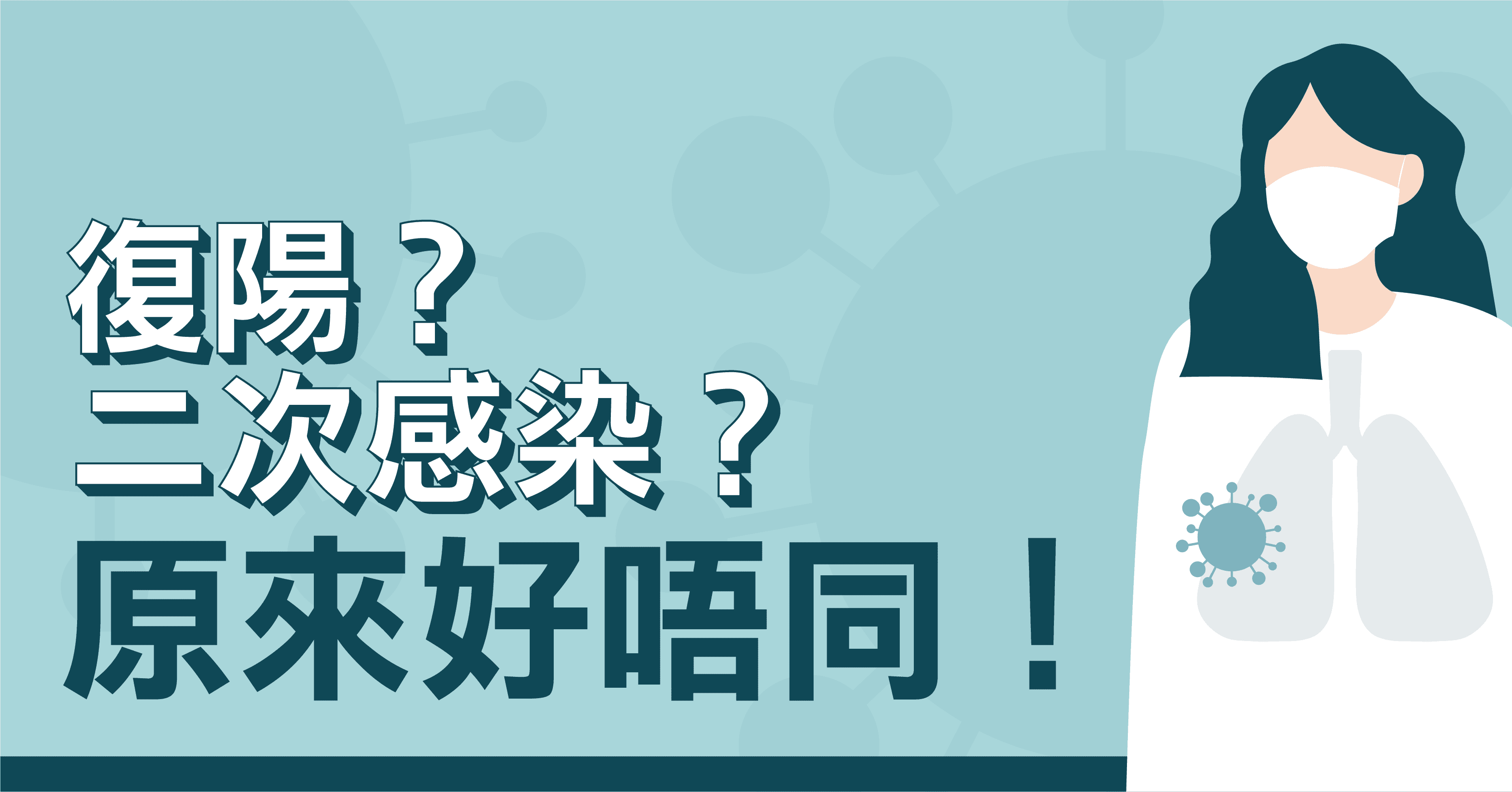
Hong Kong has now recorded more than 1.2 million confirmed cases of Covid-19. Although many people have already been infected with Covid-19, cases of “re-positive” results or “second infections” still occur from time to time. So, under what circumstances is an infection considered a second infection? When is it considered a re-positive result? Today, we will discuss the difference between the two.
When infected with COVID-19, the body mounts an immune response, causing the amount of virus in the body to gradually decrease, while its transmissibility also declines. However, some recovered individuals may still have residual viral genetic material in their bodies, causing nucleic acid tests to return positive results and making them re-positive cases.
However, the transmissibility of re-positive cases has already decreased significantly. In fact, as early as mid-March 2022, the Civil Service Bureau had issued guidelines stipulating that during the fifth wave of the epidemic, government employees who had completed isolation as instructed and recovered would not need to undergo isolation again, even if they tested positive again.
Before the Omicron variant of COVID-19 emerged, cases of reinfection were rare. In the UK, for example, less than 1% of all cases before November 2021 were reinfections. However, as Omicron is better able to evade the body’s immune defences than other variants, the number of reinfections rose sharply.
However, respiratory medicine specialist Dr Leung Tsz-chiu stated that the chance of reinfection within three months of recovering from COVID-19 is extremely low. However, if obvious symptoms develop and a rapid test result is positive, this could be a rare case of reinfection.
| Re-positive result | Reinfection |
Viral load | Low | High |
Contagiousness | Low | High |
Symptoms | Mild or none | Obvious |
| Note: Data consolidated from various sources. | ||
According to government information, after a confirmed case has recovered, completed isolation and received a negative rapid antigen test result, they generally do not need to undergo another nucleic acid test within three months of recovery, unless instructed to do so by a healthcare professional or the government.
As recovered individuals may still become reinfected and be infectious, after three months they should undergo virus testing when necessary, in the same way as people who have never been infected.
10Lifepreviously enquired with insurance companies about whether COVID-19 patients or recovered patients would be subject to special terms when purchasing different insurance products (such as medical and critical illness insurance), and whether the severity of the illness would have a significant impact on underwriting. It found that most insurance companies allow recovered patients with mild symptoms to undergo standard underwriting one month after recovery.
Therefore, if a person with mild symptoms has tested positive again, they should confirm their official recovery date with the insurance company before applying for insurance.
In addition, if a person with mild symptoms has not yet taken out medical or critical illness insurance after recovering, they should purchase such insurance products as soon as possible to avoid a subsequent infection affecting underwriting.
It is worth noting that if a person unfortunately contracts COVID-19 and develops complications during the waiting period for medical insurance, the relevant medical condition may become a “pre-existing condition” and be excluded from cover, adversely affecting any subsequent insurance application.
Note: This article was last updated on 24 May 2022.
This English version of this article has been generated by machine translation powered by AI. It is provided solely for reference purposes. In the event of any discrepancy or inconsistency between this translation and the original Chinese version, the Chinese version shall prevail.
Our team of professional content researchers focussing on insurance
Our team of professional content researchers focussing on insurance
10Life Product Comparison and 10Life Insurance Ratings are developed by 10Life Financial Limited, an authorised insurance broker company licensed with the Insurance Authority under License Number FB1526. 10Life Product Comparison and 10Life Insurance Ratings are developed for generic customer segments using mathematical calculations based on product information, facts and data, and are not influenced by any partnerships with or fees received from insurance companies. Any information on 10Life Platform ("10Life Information"), including but not limited to Product Comparison, Product Ratings, Blog Articles are intended for general education purpose and reference only. None of the 10Life Information is intended, nor should they be considered or relied upon, as regulated advice, insurance, financial, investment or professional advice, recommendation, approval, endorsement, invitation or solicitation in respect of any insurance, financial or investment products. 10Life Information does not take into account your individual needs. Reading 10Life Information should not be considered as conducting a suitability assessment, and is not sufficient to form the basis of any decisions to purchase any insurance products. You should rely on information authorised by insurance companies, carry out your own research and/or seek independent advice from licensed intermediaries before purchasing any insurance products or making any insurance decisions. While reasonable effort is used when collecting, validating and updating 10Life Information from various channels, none of 10Life Group and its subsidiaries, affiliates, agents, directors, officers and employees will be responsible for any liability, claim or loss arising from or associated with you using 10Life Information. No warranty, representation or guarantee is given by 10Life Group and its subsidiaries on the accuracy, completeness and timeliness of the information. If you have any questions on 10Life Product Comparison and 10Life Insurance Ratings, please email us at enquiries@10life.com




 Talk to 10Life on WeChat
