






10Life Financial Limited
查詢: enquiries@10life.com
電話: (852) 3705 1599
地址: 香港 灣仔 皇后大道東 109-115號 智群商業中心 16樓



自願醫保扣稅上限幾多?
自願醫保 (VHIS) 扣稅上限是HK$8,000,實際可以慳幾多稅?
自願醫保 (VHIS) 保費愈高,是否扣稅愈多?
幫家人買自願醫保 (VHIS) 可以扣稅嗎?
幫小朋友買自願醫保 (VHIS) 可以扣稅嗎?
自願醫保扣稅例子:一家人可以慳幾多?
夫婦可以一齊申請自願醫保 (VHIS) 扣稅嗎?
想進一步了解適合自己的自願醫保 (VHIS) ?
自願醫保 (VHIS) 扣稅點填?
我應該為扣稅而由一般醫保產品轉至自願醫保計劃嗎?
除了自願醫保外,還有沒有其他保險產品可以扣稅?
自願醫保 (VHIS) 扣稅常見問題


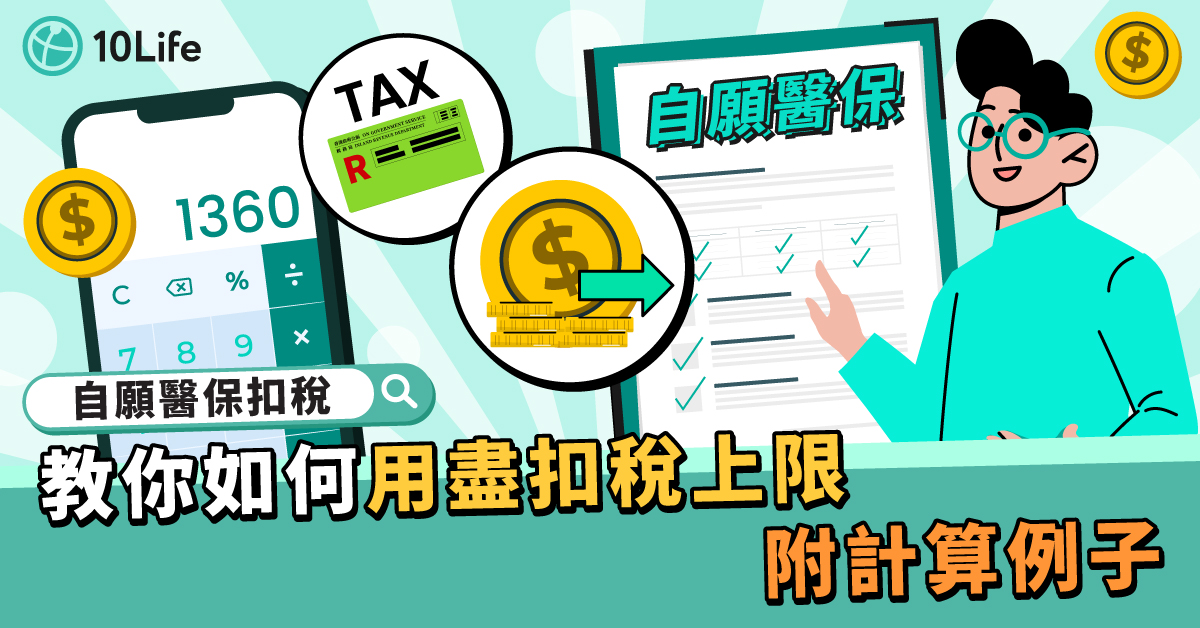
自願醫保(VHIS)可以扣幾多稅?每名合資格受保人每個課稅年度最高可扣 HK$8,000 合資格保費,而且可申請扣稅的受保人人數不設上限。不過,HK$8,000 是「稅務扣除額」,並不是直接退回HK$8,000。實際可以慳幾多稅,仍要視乎合資格保費及適用稅率。
今次,10Life 保險比較平台會為大家拆解VHIS扣稅上限、如何善用扣稅額,以及自願醫保扣稅點填,再配合實際計算例子,幫你更容易掌握VHIS扣稅方法。
自願醫保扣稅上限幾多?
稅務局對自願醫保 (VHIS) 的扣稅上限,是「以受保人為單位」,而非以保單或納稅人為單位:
簡單來說:
不過需要留意,稅務扣除的「實際慳稅金額」,並非 HK$8,000,而是需要考慮納稅人的適用稅率。
自願醫保 (VHIS) 扣稅上限是HK$8,000,實際可以慳幾多稅?
HK$8,000 是用來減少應課稅入息的「扣稅額」,並不是直接減 HK$8,000 稅款。
簡單計法是:
假設合資格保費達 HK$8,000:
| 稅率 | 每名受保人約可慳稅 |
|---|---|
| 2% | HK$160 |
| 6% | HK$480 |
| 10% | HK$800 |
| 14% | HK$1,120 |
| 17% | HK$1,360 |
因此,同樣有 HK$8,000 扣除額,稅率愈高,實際節省的稅款一般亦會愈多。
自願醫保 (VHIS) 保費愈高,是否扣稅愈多?
不是。每名納稅人就每名受保人每個課稅年度最高仍只可扣 HK$8,000 合資格保費。
例如年保費為 HK$12,000,最多仍只可扣 HK$8,000。所以,投保自願醫保 (VHIS) 不應只為了扣稅,仍要先考慮保障範圍、自付額、賠償限額及長期保費負擔。扣稅應視為額外好處,而不是選擇計劃的唯一原因。
幫家人買自願醫保 (VHIS) 可以扣稅嗎?
可以。除了自己,納稅人亦可以就為合資格「指明親屬」繳付的自願醫保 (VHIS) 保費並申請扣稅。
| 家人 | 主要條件 |
|---|---|
| 配偶 | 合資格配偶 |
| 子女 | 符合年齡、全日制教育或工作能力等條件 |
| 兄弟姊妹 | 符合年齡、全日制教育或工作能力等條件 |
| 父母/祖父母/外祖父母 | 一般須年滿55歲,或符合相關傷殘資格 |
不過要留意,受保人須符合相關香港身份證要求。
幫小朋友買自願醫保 (VHIS) 可以扣稅嗎?
可以。符合相關資格的父母、祖父母及外祖父母,都可以屬於自願醫保 (VHIS) 扣稅的「指明親屬」。例如父親全年合資格自願醫保 (VHIS) 保費為HK$12,000,納稅人就父親可申請的扣除額最高仍為HK$8,000。
延伸閱讀:
【3至5歲幼兒保險】幼稚園小朋友醫療保險點揀?比較自願醫保保費及保障
【自願醫保2026】5星級計劃比較|中產家庭點揀更適合?(附10Life評分)
自願醫保扣稅例子:一家人可以慳幾多?
假設A先生為自己、太太及父母繳付自願醫保 (VHIS) 保費,而相關扣除額全部落在17%累進稅率級距:
| 受保人 | 合資格保費 | 可扣除金額 | 約可慳稅 |
|---|---|---|---|
| A先生 | HK$3,000 | HK$3,000 | HK$510 |
| 太太 | HK$7,000 | HK$7,000 | HK$1,190 |
| 父親 | HK$8,000 | HK$8,000 | HK$1,360 |
| 母親 | HK$12,000 | HK$8,000 | HK$1,360 |
| 合計 | HK$26,000 | 約HK$4,420 |
例子亦反映,即使母親的全年自願醫保 (VHIS) 保費為 HK$12,000,A先生就母親可申請的扣除額仍最多為 HK$8,000。實際節省稅款會視乎納稅人的收入、免稅額及其他扣除項目而有所不同。
夫婦可以一齊申請自願醫保 (VHIS) 扣稅嗎?
可以,但要視乎夫婦雙方的評稅情況。
如果夫婦雙方均有應課稅收入,在符合相關條件下,可以就同一名受保人的合資格自願醫保 (VHIS) 保費分配扣除額。
例如為子女繳付 HK$14,000 合資格保費,夫婦可以協議:
每名納稅人就每名受保人的扣除額最高仍為HK$8,000,而夫婦合共申請的扣除額不能高於實際合資格保費。
如果其中一方沒有應課稅收入,亦不能因此將另一方就同一名受保人的HK$8,000個人上限增加一倍。
想進一步了解適合自己的自願醫保 (VHIS) ?
了解完自願醫保 (VHIS) 扣稅安排後,如果你想進一步了解不同自願醫保(VHIS)計劃的保障、保費及自付額,可以透過 10Life 自願醫保比較平台,一站式對照不同計劃的保障範圍、賠償限額及條款細節,按自身需要及預算作出更合適的選擇。
如果對投保、產品選擇或索償有疑問,亦可以 WhatsApp 向 10Life 保險顧問查詢。

自願醫保 (VHIS) 扣稅點填?
自願醫保 (VHIS) 扣稅可以在「稅務易」(eTAX)網上報稅,或實體個別人士報稅表(BIR60)內申請,相關扣除項目載於BIR60第9部。
如果為自己及多名家人申請VHIS扣稅,應逐名受保人核對:
提交報稅表時一般毋須附上證明文件,但應保留保費收據及保險公司發出的年度保費結單6年(由相關課稅年度完結起計),以備稅務局查核。
我應該為扣稅而由一般醫保產品轉至自願醫保計劃嗎?
雖然自願醫保(VHIS)可以扣稅,但不應單純為了慳稅而轉計劃。醫療保險最重要仍然是保障是否適合自己,包括保障範圍、賠償限額、自付額及保費水平。如果本身已經有醫療保險,轉做VHIS亦不代表保障一定更高。以「標準計劃」為例,保障相對基本;而部分「靈活計劃」則提供較高保障及更多產品選擇。
因此,考慮轉做自願醫保(VHIS)前,應先比較現有保單與新計劃的保障及保費,扣稅只應視為額外好處,而不是轉換醫保的主要原因。 。
延伸閱讀:
【自願醫保】 普通房vs半私家房計劃點揀好? (附8間保險公司保費比較)
自願醫保計劃包一般門診?VHIS保障邊類型嘅門診?
除了自願醫保外,還有沒有其他保險產品可以扣稅?
除了自願醫保 (VHIS) 外,自願性供款及合資格延期年金保單(QDAP,扣稅年金,又稱退稅年金) 也可扣稅,坊間俗稱三者為「扣稅三寶」。「扣稅三寶」可以為每名納稅人每年帶來HK$68,000或以上的稅務扣除額,以現時薪俸稅最高的稅率(即17%)計算,納稅人每年可慳稅HK$11,560或以上。想了解更多,可閱讀《【扣稅三寶】合資格延期年金、可扣稅強積金自願性供款、自願醫保扣稅懶人包!》
註:以上示例和信息僅供說明和參考,不能被視為提供稅務建議。讀者應參閱稅務局及自願醫保計劃的網頁,或諮詢專業會計師或稅務顧問的意見。
自願醫保 (VHIS) 扣稅常見問題
每名納稅人就每名受保人的扣除額,每個課稅年度最高為 HK$8,000, 而且需要考慮自身的適用稅率。
不會。自願醫保 (VHIS) 扣稅是按該課稅年度實際繳付的合資格保費計算,而不是按投保月份比例調低 HK$8,000上限。例如你在課稅年度內只繳付 HK$5,000 合資格保費,最多可扣 HK$5,000;如實際繳付的合資格保費達 HK$8,000 或以上,每名納稅人就每名受保人的扣除額最高仍為 HK$8,000。實際屬於哪個課稅年度,則以保費的繳付日期為準。
如果同一份自願醫保 (VHIS) 保單有多於一名保單持有人,稅務局會視相關合資格保費由各保單持有人平均分擔。
例如兩兄弟共同為父親持有一份VHIS保單,全年合資格保費為 HK$12,000,即使實際上一人支付 HK$8,000、另一人支付 HK$4,000,扣稅計算上仍會視為每人支付 HK$6,000,因此兩人可各自申請HK$6,000 扣除。
不一定。 每名納稅人就每名受保人的扣除額仍以 HK$8,000 為上限,而夫婦合共申請的金額亦不可高於實際繳付的合資格保費。例如為子女繳付 HK$14,000 合資格保費,而夫婦雙方均有應課稅收入,在符合規定下,可分別申請 HK$8,000 及 HK$6,000,或各申請 HK$7,000。但如果其中一方沒有應課稅收入,並不能單靠聯合評稅令另一方就同一名受保人的 HK$8,000 上限增加至 HK$16,000。
除了VHIS,合資格延期年金保單(QDAP)及可扣稅自願性供款(TVC)亦設有稅務扣除安排。不過,QDAP及TVC的扣稅上限及計算方法與VHIS不同。如果想一次過了解三者,可參考10Life《扣稅三寶》。
註:以上例子只供說明及參考,不構成稅務建議。實際可申索扣除額及應繳稅款,應視乎個人情況及稅務局最新規定。
10Life 產品比較和 10Life 保險評分由獲保監局授權持牌保險經紀公司 10Life Financial Limited(保監局牌照號碼為FB1526)營運。10Life 產品比較和 10Life 保險評分乃根據產品資料、事實陳述以及數據,並以一般消費者作為對象,從而作出數學運算,並不受與保險公司任何形式之合作或所獲得之費用所影響。
10Life平台上之任何資訊(「10Life資訊」),包括但不限於產品比較、產品評分、網誌文章等,旨在向香港特别行政區(「香港」)境内人士發布,所有信息及服務對象為於身處香港境内人士,僅供一般教育及參考用途。10Life資訊無意,也不應被視為對任何保險、金融或投資產品進行受監管建議或專業建議、推薦、批准、認可、邀請或招攬。10Life資訊並沒有考慮閣下之個人需要,閱覽有關資料亦不應被視為正在進行個人合適性評估,且不足以構成任何購買保險產品決定的依據。購買任何保險產品或進行有關保險決定前,閣下應以保險公司提供的資料為準,自行進行研究,及/或尋求持牌保險中介人的獨立及專業意見。10Life資訊是以最大努力從不同渠道收集、驗證、更新而成。10Life集團及其附屬公司、關連人士、代理、董事、職員、員工將不會就有關資料引致的責任、索償或損失負上任何責任,亦概不保證或擔保有關資料之準確性、完整性和適時性。
所顯示保費資料尚未包括保險業監管局收取的保費徵費,並均四捨五入至港元個位數。
如閣下對 10Life 產品比較和 10Life 保險評分有任何意見,歡迎電郵至 enquiries@10life.com。




 立即WeChat查詢