









10Life Financial Limited
Enquiries: enquiries@10life.com
Hotline: (852) 3705 1599
Address: 16/F Greatmany Centre, 109-115 Queen’s Road East, Wan Chai, Hong Kong



What is airway sensitivity?
What are the causes of airway sensitivity?
What are the symptoms of airway sensitivity?
How to diagnose airway sensitivity?
Treatment Methods for Airway Sensitivity
Can airway sensitivity be cured?
Is a child with airway sensitivity likely to develop asthma?
Plan Medical Protection Early Safeguard Your Child's Lifelong Health


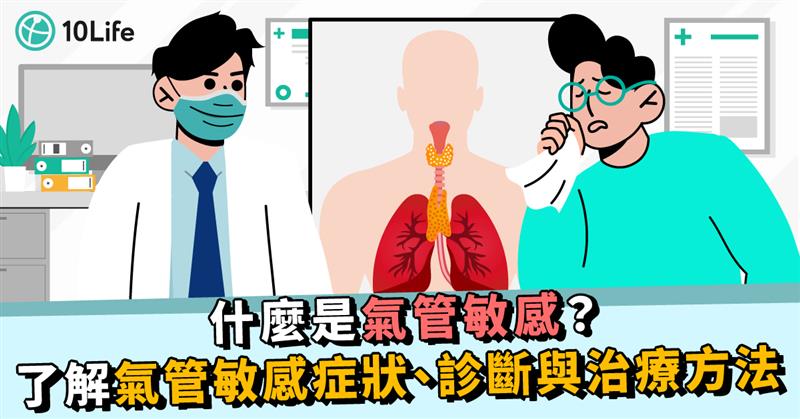
Children often cough and experience wheezing, and they may struggle to sleep peacefully at night. As a parent, it’s natural to worry and assume it’s just a common cold. However, it could actually be airway sensitivity. If not identified and addressed in time, it may impact a child’s healthy development and daily life. This article provides a comprehensive overview of the causes, symptoms, diagnosis, and treatment methods for airway sensitivity, as well as an analysis of its relationship with asthma, offering parents professional guidance.
What is airway sensitivity?
Tracheal sensitivity is not a standalone condition but a common respiratory tract reaction, similar in nature to mild asthma. When the trachea (airway) overreacts to external stimuli (such as cold air, dust, smoke, allergens, etc.), it can easily trigger symptoms like coughing, chest tightness, and wheezing. Many asthma sufferers experience tracheal sensitivity, but not everyone with tracheal sensitivity will develop asthma.
What are the causes of airway sensitivity?
The causes of airway sensitivity are relatively complex and often result from a combination of multiple factors, primarily including the following categories:
What are the symptoms of airway sensitivity?
The severity of symptoms may vary among individuals, with common manifestations including:
How to diagnose airway sensitivity?
Doctors will assess whether a patient has airway sensitivity based on medical history and examinations. Common tests include:
Treatment Methods for Airway Sensitivity
The treatment for airway sensitivity primarily involves medication and lifestyle adjustments. Doctors typically manage the condition based on the severity of symptoms to alleviate discomfort and prevent recurrence:
In addition to medication, daily care is equally important to minimise triggers:
If symptoms persist or recur, it is advisable to follow up with a doctor promptly to discuss adjustments to the treatment plan.
Can airway sensitivity be cured?
Since airway sensitivity is not considered a "disease" in itself but rather a manifestation of an allergic reaction, identifying and avoiding allergens, along with appropriate medication, can help the vast majority of patients manage their condition effectively over the long term. For children, as lung function develops and matures, symptoms may even disappear completely.
Is a child with airway sensitivity likely to develop asthma?
Not all children with airway sensitivity will develop asthma, but parents should still remain vigilant. For children under 2 years old, airway sensitivity is often caused by viral infections. As children enter the age range of 2 to 6 and start attending nursery or kindergarten, their exposure to allergens increases, and airway sensitivity may become more frequent. The ages of 6 to 12 are a critical stage for determining whether a child has a tendency to develop asthma.
If a child’s cough persists for more than 10 days, or if they experience shortness of breath or wheezing during weather changes, parents should seek medical attention for their child as soon as possible. Relying solely on cough suppressants or avoiding cold foods cannot truly alleviate airway sensitivity and may delay proper treatment. Additionally, it is not advisable to trust unverified folk remedies or treatments, as delays can make the issue more difficult to manage.
The earlier the condition is identified and treated, the greater the chance of effectively controlling airway sensitivity and reducing the risk of it developing into asthma. With proper treatment, children may even outgrow related allergy issues as they grow older, leading to a healthier life.
This article is for reference only and should not replace professional medical advice. If you have health concerns, please consult a doctor.
Plan Medical Protection Early Safeguard Your Child's Lifelong Health
Although airway sensitivity is not a severe condition, neglecting care may lead to prolonged recovery. It is advisable to seek early diagnosis and identify the cause to effectively manage the condition. Waiting times for paediatric services in Hong Kong public hospitals are long, with some specialist appointments requiring a wait of several months. If you wish to ensure timely medical resources for your child when they fall ill, consider obtaining medical insurance to safeguard their health. A comprehensive medical insurance plan provides you with an additional option, enabling swift admission to private hospitals for treatment. To learn about insurance plans suitable for children, feel free to consult a licensed 10Life insurance advisor for professional planning advice.
Further Reading:
Is Traditional Medical Insurance Insufficient? Three Strategies to Address Rising Healthcare Costs in Hong Kong
【Affordable Medical Insurance】How to Choose Medical Insurance and Maximise Claims with Ward Plans
How to Choose Family Medical Insurance? Key Considerations and Application Tips
References:
1.OT&P Healthcare · Airway Sensitivity
2.Virtus Medical · Airway Sensitivity
Last updated: 24 September 2025
This English version of this article has been generated by machine translation powered by AI. It is provided solely for reference purposes. In the event of any discrepancy or inconsistency between this translation and the original Chinese version, the Chinese version shall prevail.
Last updated: 9 Apr 2026

Our team of professional content researchers focussing on insurance
Our team of professional content researchers focussing on insurance
10Life Product Comparison and 10Life Insurance Ratings are developed by 10Life Financial Limited, an authorised insurance broker company licensed with the Insurance Authority under License Number FB1526. 10Life Product Comparison and 10Life Insurance Ratings are developed for generic customer segments using mathematical calculations based on product information, facts and data, and are not influenced by any partnerships with or fees received from insurance companies. Any information on 10Life Platform ("10Life Information"), including but not limited to Product Comparison, Product Ratings, Blog Articles are intended for general education purpose and reference only. None of the 10Life Information is intended, nor should they be considered or relied upon, as regulated advice, insurance, financial, investment or professional advice, recommendation, approval, endorsement, invitation or solicitation in respect of any insurance, financial or investment products. 10Life Information does not take into account your individual needs. Reading 10Life Information should not be considered as conducting a suitability assessment, and is not sufficient to form the basis of any decisions to purchase any insurance products. You should rely on information authorised by insurance companies, carry out your own research and/or seek independent advice from licensed intermediaries before purchasing any insurance products or making any insurance decisions. While reasonable effort is used when collecting, validating and updating 10Life Information from various channels, none of 10Life Group and its subsidiaries, affiliates, agents, directors, officers and employees will be responsible for any liability, claim or loss arising from or associated with you using 10Life Information. No warranty, representation or guarantee is given by 10Life Group and its subsidiaries on the accuracy, completeness and timeliness of the information. If you have any questions on 10Life Product Comparison and 10Life Insurance Ratings, please email us at enquiries@10life.com




 Talk to 10Life on WeChat
