









10Life Financial Limited
Enquiries: enquiries@10life.com
Hotline: (852) 3705 1599
Address: 16/F Greatmany Centre, 109-115 Queen’s Road East, Wan Chai, Hong Kong



What is visceral fat? How is it different from subcutaneous fat?
What is the standard for visceral fat? How is it calculated?
What impact does excessive visceral fat have on the body?
Which foods are likely to contribute to the formation of visceral fat?
How can visceral fat be eliminated?
Voluntary Health Insurance Scheme Protect your health while enjoying tax deductions


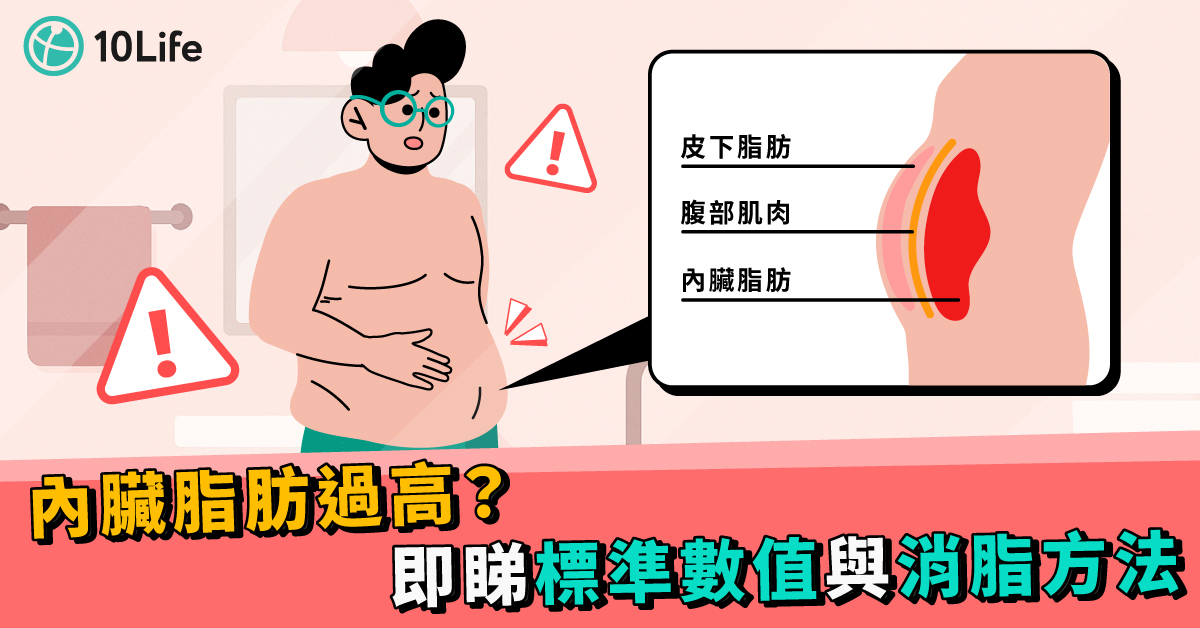
Everyone knows that having too much fat is detrimental to health, but do you know what visceral fat is? Unlike subcutaneous fat, it cannot be seen directly, yet it may have a greater impact on the body. What is the standard level of visceral fat? What health risks can it pose? And how can we reduce visceral fat? In this article, 10Life will explain the standard levels of visceral fat and provide effective fat-loss methods to help you maintain an ideal physique and good health.
What is visceral fat? How is it different from subcutaneous fat?
Visceral fat is fat stored inside the abdominal cavity, surrounding organs such as the liver, kidneys and intestines. An appropriate amount of visceral fat can protect the internal organs, but excessive visceral fat may affect metabolism and increase the risk of chronic diseases. Unlike visceral fat, subcutaneous fat is stored beneath the skin and can be pinched with your fingers. Visceral fat, however, is hidden deep within the body, so it may still be excessive even if your weight is normal. It is therefore important to monitor its accumulation.
What is the standard for visceral fat? How is it calculated?
Visceral fat is difficult to assess by appearance, so even if you do not look overweight, your visceral fat level may already be excessive. How can you determine whether you have too much visceral fat? And what are the standards for visceral fat? You can use the following three simple methods to measure it, helping you monitor your health, adjust your lifestyle habits in a timely manner and maintain a healthy body shape.
Measuring your waist circumference is one of the simplest ways to assess visceral fat. First, prepare a tape measure. When measuring, stand upright with your feet shoulder-width apart, breathe naturally and do not deliberately pull in your abdomen. Wrap the tape measure around your navel, ensuring that it is in contact with your skin without pressing into it, and then check whether your waist circumference exceeds the recommended limit:
Although measuring waist circumference is simple, the recommended standard may vary between people with different body shapes. For a more precise assessment, you can calculate your waist-to-hip ratio (WHR) to evaluate your visceral fat level.
Calculation: waist circumference ÷ hip circumference = waist-to-hip ratio (WHR)
A high waist-to-hip ratio indicates greater accumulation of visceral fat and a higher health risk. For example, some people may not have a waist circumference that exceeds the recommended limit, but their waist-to-hip ratio may still be too high. This indicates that fat is mainly accumulated around the abdomen, resulting in an “apple-shaped” body, and is associated with a higher risk of developing high blood pressure, heart disease and diabetes.
For more accurate data, you can use a body fat scale, such as a smart body fat scale, to measure your visceral fat level. At present, most private gyms and some Leisure and Cultural Services Department fitness centres provide this type of measurement equipment. Some smart body fat scales for home use also have a visceral fat measurement function, making it convenient to monitor your visceral fat level at any time.
You can refer to the following visceral fat standard table:
1–9: normal range
10–14: high visceral fat
15 or above: excessively high visceral fat
If your visceral fat level exceeds the recommended limit, it may cause metabolic abnormalities and increase the risk of chronic diseases. Therefore, if your measurement shows that your visceral fat level is too high, you should actively manage your health, adjust your dietary habits and increase your level of physical activity to help reduce visceral fat.
What impact does excessive visceral fat have on the body?
Excess visceral fat not only affects body shape, but may also affect your health. When visceral fat levels are too high, this may indicate a risk of metabolic syndrome. Metabolic syndrome can cause a range of health problems, such as high blood pressure, obesity, high cholesterol and insulin resistance, thereby increasing the risk of stroke, heart disease and type 2 diabetes.
In addition, excess visceral fat may increase the likelihood of developing the following health problems:
For the sake of your health, adjusting your diet and exercising regularly can help reduce visceral fat and lower the associated health risks.
Which foods are likely to contribute to the formation of visceral fat?
Diet is closely related to visceral fat. Certain foods can easily lead to fat accumulation and should be consumed in moderation or avoided in excess:
To reduce visceral fat, prioritise natural, nutritious foods and avoid processed foods that are high in sugar, fat and sodium, in order to maintain a healthy physique.
How can visceral fat be eliminated?
Choose high-fibre foods, such as vegetables, fruit and wholegrains, to support gut health and reduce fat accumulation. Consume healthy sources of protein, such as fish, chicken and legumes, to boost metabolism and promote fat burning. At the same time, avoid refined sugars and processed foods, such as sugary drinks, cakes and snacks, to reduce the conversion of calories into fat. Consume healthy fats, such as nuts, avocados and olive oil, in moderation to help stabilise blood sugar levels and reduce fat accumulation.
Exercise for at least 150 minutes per week, combining aerobic exercise, such as brisk walking, running and swimming, to burn fat with resistance training, such as weight training and squats, to build muscle and boost metabolism. You can also engage in high-intensity interval training (HIIT) to burn fat quickly and improve overall metabolic efficiency.
Stress can promote the secretion of cortisol, leading to fat accumulation and potentially triggering “stress eating”, which can further accelerate the formation of body fat. Activities such as yoga, meditation and deep breathing can help relax the nervous system and stabilise your emotions. In addition, taking up hobbies such as reading, drawing and listening to music can effectively shift your attention, reduce the impact of stress on your body and help maintain a healthy body fat percentage.
Insufficient sleep can affect hormonal balance, increasing appetite and fat storage. Aim to sleep for at least 7 hours each day, establish a regular sleep schedule and avoid staying up late. Reduce mobile phone use before bed to minimise the impact of blue light, and ensure that your bedroom is quiet and comfortable to improve sleep quality.
Alcohol can affect liver metabolism and promote the accumulation of visceral fat. Reduce your consumption of drinks with a high alcohol content, such as beer and spirits; choose low-alcohol or alcohol-free beverages instead, and control how often you drink. Avoid binge drinking to maintain a healthy body fat percentage.
Intermittent Fasting involves adjusting your eating window and can help reduce visceral fat. A common approach is the 16/8 fasting method, which involves fasting for 16 hours each day and eating within an 8-hour window. This can help the body use fat as an energy source and reduce fat accumulation. However, even when fasting, you should ensure a balanced diet and avoid excessive consumption of refined sugars and high-fat foods.
Voluntary Health Insurance Scheme Protect your health while enjoying tax deductions
Modern lifestyles are often characterised by high work-related stress, frequent dining out and social engagements, which may lead to the accumulation of visceral fat and affect health. If you want medical coverage in case you fall ill, you may consider purchasing a Voluntary Health Insurance Scheme plan. Insured persons can enjoy medical coverage on a reimbursement basis, while also benefiting from tax deductions. If you would like to know which Voluntary Health Insurance Scheme plan is best, please feel free to consult 10Life’s licensed insurance advisers for professional advice.
Further reading:
What to do about low blood pressure? Understand low blood pressure standards and ways to improve it
【Ligament tear】Understand the symptoms, location, causes and treatment of cruciate ligament tears
What is a Voluntary Health Insurance Scheme plan? Understand the differences between Voluntary Health Insurance Scheme plans and medical insurance
References:
1. Cleveland Clinic. Visceral Fat
2. Health Direct. How to reduce visceral body fat (hidden fat)
Last updated: 24 April 2025
This English version of this article has been generated by machine translation powered by AI. It is provided solely for reference purposes. In the event of any discrepancy or inconsistency between this translation and the original Chinese version, the Chinese version shall prevail.

Our team of professional content researchers focussing on insurance
Our team of professional content researchers focussing on insurance
10Life Product Comparison and 10Life Insurance Ratings are developed by 10Life Financial Limited, an authorised insurance broker company licensed with the Insurance Authority under License Number FB1526. 10Life Product Comparison and 10Life Insurance Ratings are developed for generic customer segments using mathematical calculations based on product information, facts and data, and are not influenced by any partnerships with or fees received from insurance companies. Any information on 10Life Platform ("10Life Information"), including but not limited to Product Comparison, Product Ratings, Blog Articles are intended for general education purpose and reference only. None of the 10Life Information is intended, nor should they be considered or relied upon, as regulated advice, insurance, financial, investment or professional advice, recommendation, approval, endorsement, invitation or solicitation in respect of any insurance, financial or investment products. 10Life Information does not take into account your individual needs. Reading 10Life Information should not be considered as conducting a suitability assessment, and is not sufficient to form the basis of any decisions to purchase any insurance products. You should rely on information authorised by insurance companies, carry out your own research and/or seek independent advice from licensed intermediaries before purchasing any insurance products or making any insurance decisions. While reasonable effort is used when collecting, validating and updating 10Life Information from various channels, none of 10Life Group and its subsidiaries, affiliates, agents, directors, officers and employees will be responsible for any liability, claim or loss arising from or associated with you using 10Life Information. No warranty, representation or guarantee is given by 10Life Group and its subsidiaries on the accuracy, completeness and timeliness of the information. If you have any questions on 10Life Product Comparison and 10Life Insurance Ratings, please email us at enquiries@10life.com




 Talk to 10Life on WeChat
