






10Life Financial Limited
Enquiries: enquiries@10life.com
Hotline: (852) 3705 1599
Address: 16/F Greatmany Centre, 109-115 Queen’s Road East, Wan Chai, Hong Kong


 Reduction On Deductible On Specific Age Without Re-underwrite
 Second Claim Cash Allowance
 Availability Of No Claim Bonus
 Waiting Period Under 30 Days
 Deductible Waiver (Stroke/Cancer/Heart Disease)
 Reduction On Deductible On Specific Age Without Re-underwrite Second Claim Cash Allowance Waiting Period Under 30 Days
 Reduction On Deductible On Specific Age Without Re-underwrite Availability Of No Claim Bonus Waiting Period Under 30 Days
AXA WiseGuard Pro Medical Insurance Plan (Regular)
Reduction On Deductible On Specific Age Without Re-underwrite Availability Of No Claim Bonus Waiting Period Under 30 Days
Blue Cross Love Yourself VHIS Plan
Reduction On Deductible On Specific Age Without Re-underwrite Availability Of No Claim Bonus Waiting Period Under 30 Days Deductible Waiver (Stroke/Cancer/Heart Disease)
Bowtie Pink VHIS Plan + CUHKMC Wellness Package
Second Claim Cash AllowanceBowtie Pink VHIS Plan + GHK Wellness Package
Second Claim Cash AllowanceBowtie Pink VHIS Plan
Second Claim Cash Allowance
WeHealth Preferred
Reduction On Deductible On Specific Age Without Re-underwrite Waiting Period Under 30 Days
Cigna VHIS Series – Flexi Plan (Superior)
Reduction On Deductible On Specific Age Without Re-underwrite Second Claim Cash Allowance Waiting Period Under 30 Days
HSBC Voluntary Health Insurance Flexi Plan Bronze
Reduction On Deductible On Specific Age Without Re-underwrite Availability Of No Claim Bonus Waiting Period Under 30 Days
AIA Voluntary Health Insurance SelectWise Scheme
Reduction On Deductible On Specific Age Without Re-underwrite Second Claim Cash Allowance Waiting Period Under 30 Days
Vital Care Voluntary Health Insurance Flexi Plan Bronze
Reduction On Deductible On Specific Age Without Re-underwrite Availability Of No Claim Bonus Waiting Period Under 30 DaysBupa Hero VHIS Plan (Core)
Reduction On Deductible On Specific Age Without Re-underwrite Second Claim Cash Allowance Waiting Period Under 30 Days Reduction On Deductible On Specific Age Without Re-underwrite Second Claim Cash Allowance Availability Of No Claim Bonus Waiting Period Under 30 Days Deductible Waiver (Stroke/Cancer/Heart Disease) Reduction On Deductible On Specific Age Without Re-underwrite Second Claim Cash Allowance Waiting Period Under 30 Days Reduction On Deductible On Specific Age Without Re-underwrite Availability Of No Claim Bonus Waiting Period Under 30 DaysAXA WiseGuard Pro Medical Insurance Plan (Regular)
Reduction On Deductible On Specific Age Without Re-underwrite Availability Of No Claim Bonus Waiting Period Under 30 DaysBlue Cross Love Yourself VHIS Plan
Reduction On Deductible On Specific Age Without Re-underwrite Availability Of No Claim Bonus Waiting Period Under 30 Days Deductible Waiver (Stroke/Cancer/Heart Disease)Bowtie Pink VHIS Plan + CUHKMC Wellness Package
Second Claim Cash AllowanceBowtie Pink VHIS Plan + GHK Wellness Package
Second Claim Cash AllowanceBowtie Pink VHIS Plan
Second Claim Cash AllowanceWeHealth Preferred
Reduction On Deductible On Specific Age Without Re-underwrite Waiting Period Under 30 DaysCigna VHIS Series – Flexi Plan (Superior)
Reduction On Deductible On Specific Age Without Re-underwrite Second Claim Cash Allowance Waiting Period Under 30 DaysHSBC Voluntary Health Insurance Flexi Plan Bronze
Reduction On Deductible On Specific Age Without Re-underwrite Availability Of No Claim Bonus Waiting Period Under 30 DaysAIA Voluntary Health Insurance SelectWise Scheme
Reduction On Deductible On Specific Age Without Re-underwrite Second Claim Cash Allowance Waiting Period Under 30 DaysVital Care Voluntary Health Insurance Flexi Plan Bronze
Reduction On Deductible On Specific Age Without Re-underwrite Availability Of No Claim Bonus Waiting Period Under 30 DaysBupa Hero VHIS Plan (Core)
Reduction On Deductible On Specific Age Without Re-underwrite Second Claim Cash Allowance Waiting Period Under 30 DaysVoluntary Health Insurance Scheme ("VHIS") mainly covers the hospitalisation costs incurred by the insured. Any VHIS product must comply with the minimum requirements set by the government, and policyholders can enjoy tax deductions on the premium paid.


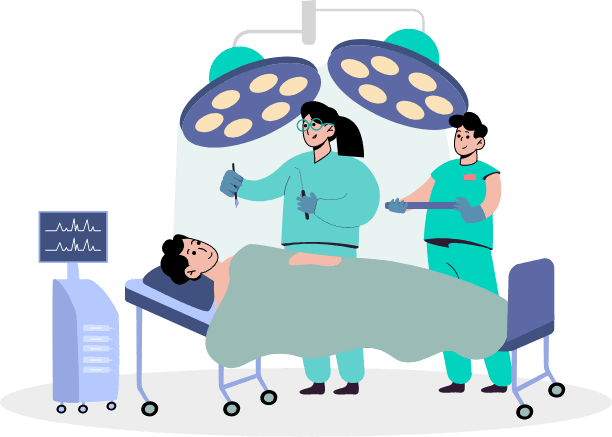




In Hong Kong, inpatient and surgical expenses at private hospitals are very high, especially for the treatment of serious illnesses such as cancer, and a VHIS plan can help share the medical expenses and ease the financial pressure.
Waiting times at public hospitals are long and the treatment environment may not be comfortable, whereas if a VHIS plan is in place, the insured can choose to receive treatment in private hospitals and obtain faster and higher quality medical services.
VHIS generally covers inpatient treatment, surgery, diagnostic tests and day-case procedures, while some flexible plans further increase the benefit amounts to cover costly cancer treatments, rehabilitation and nursing care, providing more comprehensive medical protection.
Premiums paid under VHIS plans are eligible for a tax deduction of up to HKD 8,000 per insured person.
Under the VHIS Standard Plan, regardless of the number or amount of claims made by the insured in a policy year, the benefit limit for the next policy year will be reinstated.
*However, some high-end flexible plans may impose a lifetime benefit limit.
VHIS plans are regulated by the Government’s Health Bureau, with clear policy terms and transparent premiums, and members of the public may obtain information from the official VHIS website.
Babies as young as 15 days old up to seniors aged 80 can enrol in a VHIS plan and enjoy guaranteed renewal of coverage up to age 100. Some flexi plans even offer lifetime renewal.
VHIS is primarily an inpatient medical insurance, so the expenses for general outpatient consultations for minor illnesses such as colds or stomach pain are usually not covered. However, some VHIS plans allow customers to purchase additional outpatient coverage as an optional rider.
Medical insurance reimburses actual expenses for hospitalisation, surgery and diagnostic procedures on a “reimbursement of actual expenses” basis, thereby reducing the insured’s medical treatment costs, while VHIS is a type of medical insurance certified by the Government’s Health Bureau. Critical illness insurance, on the other hand, provides a lump-sum benefit upon diagnosis of specified serious diseases (such as cancer, heart disease and stroke), which can be used flexibly for medical treatment, mortgage payments and other purposes, helping to ease the financial pressure arising from inability to work due to illness.
Premiums paid for VHIS policies are eligible for tax deduction, with a cap of HKD 8,000 per policy. Based on the premium and the marginal tax rate, the maximum tax saving per policy is HKD 1,360.
A taxpayer may act as the policyholder not only for himself/herself, but also for specified relatives (such as spouse, children, his/her own or spouse’s parents, grandparents, maternal grandparents and siblings) under VHIS plans, and may claim tax deduction in respect of the eligible premiums paid on behalf of such specified relatives.
The deduction is calculated as “up to HKD 8,000 per insured person per year × your marginal tax rate”, and the deduction for multiple family members can be accumulated, with no limit on the number of insured persons.
Whether VHIS is “worthwhile” for an elderly person depends on a combination of factors, including age, health condition, actual financial capacity, and the need for and importance attached to private medical services.
In general, elderly applicants usually face higher premiums; if they have already been diagnosed with chronic diseases or have existing medical history, such conditions may be listed as exclusions, the scope of cover may be narrowed, or additional premiums may be imposed, making the policy less cost-effective.
However, if the elderly person is in good health and still eligible for VHIS, the advantage is that VHIS can help share expensive private medical costs through the policy, allowing the insured to avoid long waiting times in the public system and reducing the burden on the family to pay for large medical bills.
According to 10Life’s data, the projected average coverage ratio under VHIS varies significantly, with Standard Plans at only about 36.9% and Flexi Plans ranging from around 40% to 100%, so it is advisable to choose carefully before enrolling. In addition, although VHIS is regulated by the Government’s Health Bureau, premiums are still determined by insurance companies; if medical inflation remains high and the claims ratio exceeds expectations, insurers may significantly increase premiums for policyholders, and 10Life therefore provides a VHIS premium adjustment calculator to help consumers easily compare past and current premiums.
This depends on the practices of different insurers and individual circumstances. Some insurers allow customers, at the time of next policy renewal, to directly renew their existing medical insurance policy into a designated certified VHIS product (i.e. adding VHIS features to the same product); if the insurer offers the option to switch to another certified product, the insured may be required to undergo re-underwriting and disclose his/her latest health condition. Details should be checked with the individual insurer.
When considering whether to purchase VHIS on top, civil servants should look at VHIS alongside their existing civil service medical benefits and the voluntary medical insurance scheme (VMIS) for civil servants.
Serving civil servants and their eligible dependants are entitled to public medical and dental benefits with priority access, including general out-patient, specialist and in-patient services, but these are mainly confined to the public system and do not cover private hospital charges or higher-class wards, and under the new terms, civil servants will no longer enjoy in‑service medical benefits after retirement.
VMIS is a voluntary group medical insurance scheme for civil servants, usually tailor-made by insurers for government staff, with premiums generally more favourable than typical market medical plans and capable of covering part of hospitalisation and private medical expenses.
VHIS is a government‑certified individual medical insurance plan eligible for tax deduction, with relatively standardised benefit provisions under Standard Plans, covering private hospital in-patient and surgical expenses. If you are still in service and mainly use public healthcare but want an extra level of protection, you may first consider participating in VMIS as an extension of your existing benefits; if you wish to use private healthcare and maintain individual medical protection after retirement, you may, subject to your financial capacity and health condition, consider taking out VHIS early to plan for long‑term, personalised medical protection.
In general, VHIS plans do not have a unified waiting period requirement for “new conditions arising after policy inception”, and most certified products start to provide cover for newly arisen conditions once the policy becomes effective. However, there is a longer waiting period for “unknown pre-existing conditions” at the time of application: under a Standard Plan, the reimbursement percentages for such conditions are 0%, 25% and 50% in the first three policy years respectively, and only reach 100% in the fourth policy year. Some higher-end or Flexi Plans may shorten this waiting period to between 0 and 120 days, and the exact length should be confirmed in the detailed product provisions of each insurer.
Common exclusions under VHIS generally fall into several broad categories: for example, any illnesses known to exist before the policy effective date, examinations or treatments that are not medically necessary, cosmetic or orthopaedic procedures, injuries resulting from self‑inflicted acts or drug abuse, injuries caused by war or riots, and expenses purely for purchasing medical equipment (such as wheelchairs or CPAP machines) are usually not covered. In addition, based on your personal medical history, the insurance company may also impose “personal exclusions” in the policy (for example, excluding specified organs or certain types of diseases), and in all cases the actual coverage is subject to the final policy provisions.
The terms and benefits of the standard plan are based on the minimum requirements set by the government, and the terms and benefits of the standard plan are very similar from one insurer to another.
A "Flexi Plan" takes the basic coverage of the standard plan and further upgrades it, for example, by raising the limit of benefits or adding additional medical coverage.
VHIS premiums are tax deductible up to a maximum of HK$8,000 per policy. Based on the premium and marginal tax rate, the maximum tax saving per policy is HK$1,360.
According to 10Life data, the estimated average coverage rate of VHIS varies widely, with some standard plans at 36.9% and some flexible plans at 100%.





 Talk to 10Life on WeChat