









10Life Financial Limited
Enquiries: enquiries@10life.com
Hotline: (852) 3705 1599
Address: 16/F Greatmany Centre, 109-115 Queen’s Road East, Wan Chai, Hong Kong



The healthcare system for seeing a doctor in Mainland China is very different from that in Hong Kong
How should one choose a specialist doctor for common health issues?
How can I verify a doctor’s background and specialisms?
Appointment booking, escort and communication considerations
Follow-up consultations, referrals and emergency response
Retain medical consultation documents to support future insurance claims
Going north for cancer treatment or a gastroscopy/colonoscopy — is it covered by medical insurance?
Cancer targeted therapy drugs: practical approaches for Hong Kong residents seeking cross-border treatment
Common Questions About Seeking Medical Treatment in Mainland China
Conclusion: Get your medical cover ready for greater peace of mind when seeking treatment in Mainland China


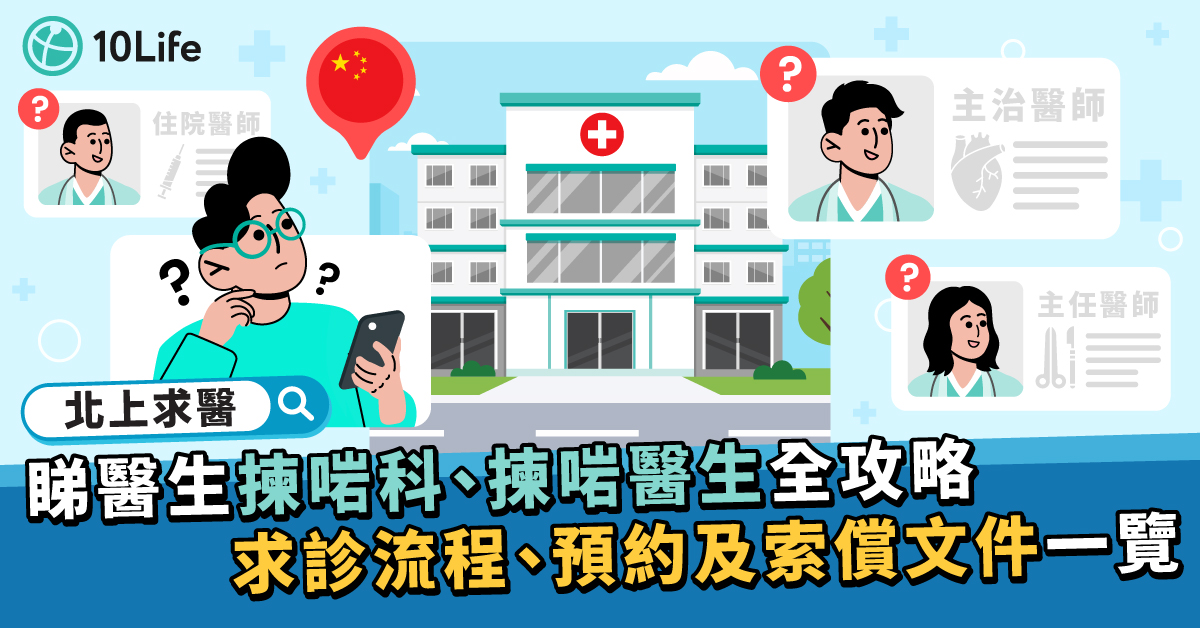
Northbound weekend trips have become a trend. In addition to shopping in malls, having dim sum, and hotpot, Hong Kong people have in recent years also started travelling to the Greater Bay Area to see doctors and undergo medical check-ups. For the same gastrointestinal endoscopy, fees in Mainland China can easily be only half of those in Hong Kong, making the value for money naturally attractive. However, as Hongkongers are unfamiliar with the healthcare system in the Mainland, sometimes
they do not know where to start when seeing a doctor. Which doctor should they choose? How can they assess a doctor’s qualifications? How do they make an appointment? Once the wrong department or doctor is chosen, they have to register again and queue again, and a whole day’s plan can easily be ruined, wasting the travel time and the holiday.
As Hong Kong’s one-stop insurance platform, 10Life will this time walk you through every key point of seeking medical treatment northbound, step by step — from choosing a department and a doctor, to making appointments and registration, follow-up referrals, and insurance claims.
The healthcare system for seeing a doctor in Mainland China is very different from that in Hong Kong
In Hong Kong, it is customary to be referred to a specialist by a family doctor, whereas in Mainland China patients usually choose the department and doctor themselves. Outpatient services at Mainland hospitals are mainly divided into the following types:
Mainland Chinese doctors’ professional titles are divided into four levels: resident doctor, attending physician, associate chief physician and chief physician. The higher the title, the greater the doctor’s experience and specialism; generally, more than 10 years of clinical experience is required to serve in a specialist outpatient clinic. If it is your first consultation or the condition is relatively straightforward, you may choose a general outpatient clinic first; if the case involves chronic disease management or complex and serious conditions, it is recommended to book a specialist outpatient clinic or a VIP outpatient clinic directly.
Further reading:
Hong Kong residents going north for medical treatment? A guide to Mainland China’s healthcare and social security systems
How should one choose a specialist doctor for common health issues?
The departments in hospitals in Mainland China are more specialised and granular than those in Hong Kong. If you do not identify the correct department in advance, you may need to be referred back and forth, which is time-consuming and inefficient. Below are reference departments for several common health issues:
If you are unsure which department to attend, you may first book a “General Outpatient Clinic”; older adults may attend the “Geriatric Department” for an initial assessment. The doctor will then diagnose and refer you to the appropriate specialist, reducing the need to re-queue due to attending the wrong department.
How can I verify a doctor’s background and specialisms?
Departments in Mainland hospitals are categorised in great detail. For example, under cardiology, there are further subspecialties such as coronary heart disease and arrhythmia. Relying on the department name alone may not be enough to determine whether a doctor is suitable for your condition.
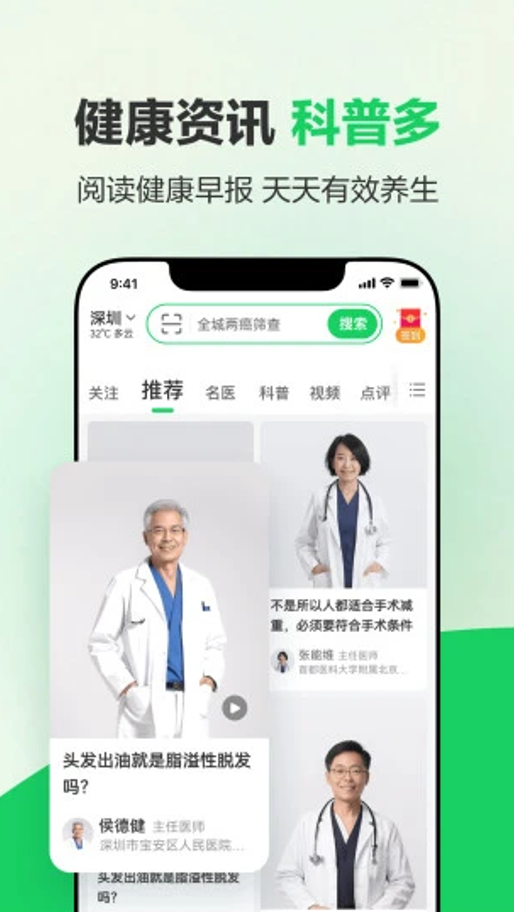
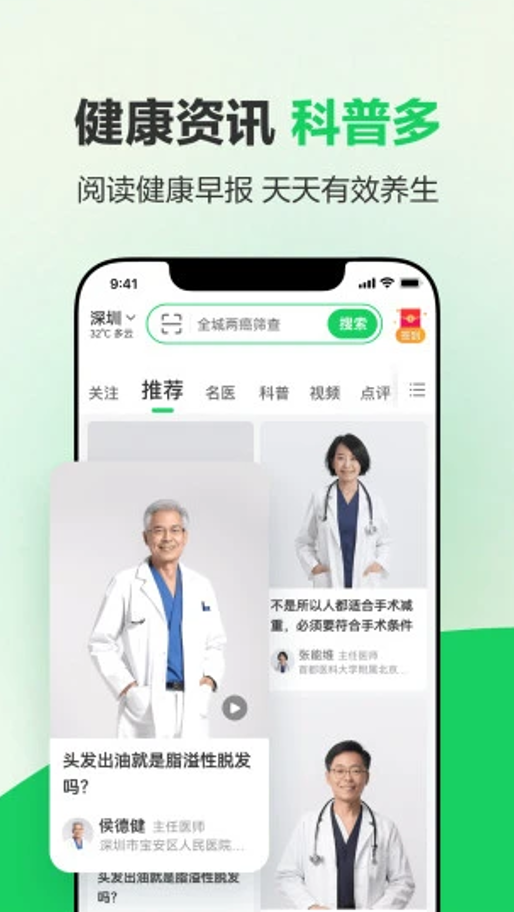
You can use medical apps such as “Health 160” to view a doctor’s profile, including their title, areas of expertise and clinic hours. You may also search the hospital’s official WeChat public account directly, or check the hospital’s level and the doctor’s practising registration details on the local health commission’s official website for cross-verification. If you wish to further verify a doctor’s practising qualifications, you can also use the National Health Commission’s “Physician Practice Information Query” system and enter the doctor’s name and affiliated institution to search.
However, user reviews on various medical apps are only supplementary information and should not be relied upon entirely. In the end, the doctor’s title and areas of expertise should remain the primary basis for judgement.
Appointment booking, escort and communication considerations
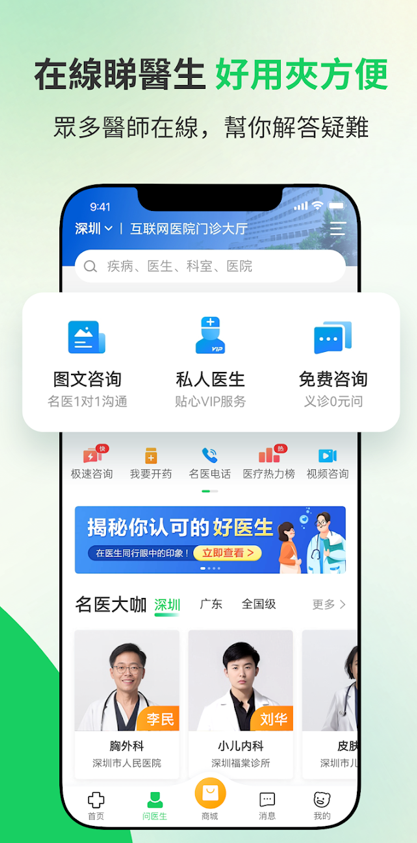
Mainland hospitals generally implement real-name appointment systems, and the number of on-the-spot registration slots is very limited. This is especially true for specialist outpatient clinics, which often need to be booked several days or even several weeks in advance. Taking the “Health 160” App or a hospital’s official WeChat mini programme as examples, the appointment process is broadly as follows:
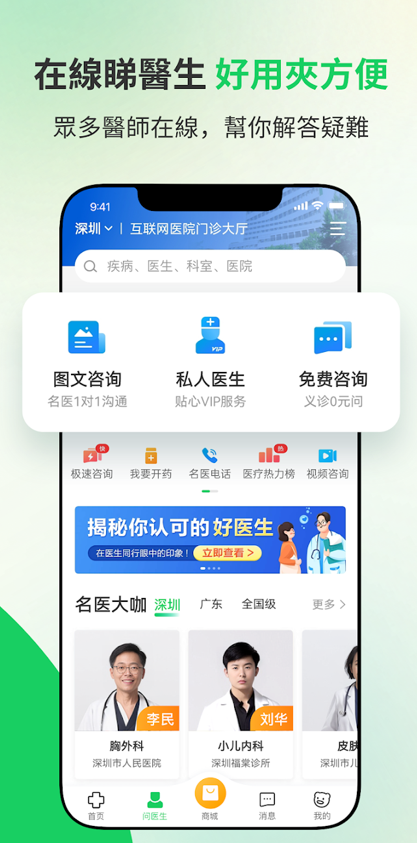
If the case involves a complex medical history explanation, or requires long waiting times and examinations across multiple departments, being accompanied by a family member or friend can help reduce the stress of the consultation. Some large tertiary hospitals also have Hong Kong, Macao and Taiwan service counters or international medical service desks, which can assist with registration and basic process guidance, reducing delays in treatment due to unfamiliarity with the procedures.
Follow-up consultations, referrals and emergency response
If you require ongoing follow-up for a long-term condition (for example, management of hypertension, hyperlipidaemia or diabetes, or follow-up for a chronic illness), it is advisable to understand the referral arrangements between hospitals in advance. Mainland public hospitals operate a tiered medical system, whereby a referral certificate issued by a primary care doctor is generally required when transferring from a primary-level or secondary hospital to a tertiary Class A hospital, so that patients can be given priority for specialist consultations at the tertiary hospital.
As for sudden critical emergencies, such as stroke or a heart attack, you should go to the emergency department of the nearest tertiary Class A hospital immediately. Tertiary Class A hospitals in Mainland China generally have more comprehensive facilities and can provide complex surgery and intensive treatment as soon as possible. If you later need to return to Hong Kong for continued treatment, you should keep both the medical summary and discharge records from your Mainland consultation, so that Hong Kong doctors can continue your medical records more easily.
Retain medical consultation documents to support future insurance claims
Whether for outpatient or inpatient treatment, medical institutions in Mainland China generally adopt a “pay first, receive treatment later” model, with separate charges for each consultation, examination and medication collection. Please note that if you later need to make a claim to a Hong Kong insurance company, you will usually need to submit the following documents:
As the format of Mainland documents differs from that in Hong Kong, some insurers may require a translation or a stamped and certified copy of the documents before accepting them as proof for a claim. It is advisable, before seeking medical treatment, to check with your insurer or adviser in advance regarding the specific claim requirements of your policy for treatment in Mainland China, such as whether Mainland invoices are accepted and whether prior notification is required, so as to avoid discovering at the time of claim submission that the documents are incomplete.
Going north for cancer treatment or a gastroscopy/colonoscopy — is it covered by medical insurance?
Hospital medical insurance in Hong Kong, including the Voluntary Health Insurance Scheme (VHIS), mainly covers hospitalisation and day-case surgery. Consultation fees, tests and medication for ordinary outpatient visits are not covered, unless outpatient insurance is purchased separately.
However, some “day treatment” procedures that do not require an overnight hospital stay may be covered under hospital medical insurance:
Cancer targeted therapy drugs: practical approaches for Hong Kong residents seeking cross-border treatment
In recent years, many cancer patients have adopted a cross-border arrangement because of the high prices of targeted cancer drugs in Hong Kong: first, a Hong Kong oncologist prepares a medical summary and medication recommendation, then the patient consults an oncologist in Mainland China for examination and prescription, and purchases the medicine in Mainland China. As medicines in Mainland China are priced through negotiations under the National Reimbursement Drug List and centralised procurement bidding, the price of the same drug may be significantly lower than in Hong Kong.
When implementing this arrangement, please note the following:
Further reading:
【大灣區門診保險2026】邊間好?比較6款保費、診症次數及保障
【跨境醫療保險2026】北上求醫點揀?比較 4 款醫保保障、保費及醫院網絡
Common Questions About Seeking Medical Treatment in Mainland China
A: The main document required is the “Mainland Travel Permit for Hong Kong and Macao Residents” (Home Return Permit). Mainland hospitals generally operate on a real-name registration basis, and both online booking and on-site ticket collection require the Home Return Permit. If you have already obtained a Mainland social security card or activated the electronic medical insurance voucher, you should bring those as well. It is also advisable to set up WeChat Pay or Alipay in advance for convenient payment.
A: In theory, same-day registration is possible, but same-day slots for specialist outpatient clinics at Class A tertiary hospitals are usually very limited, and walk-ins often find only general outpatient slots remaining. It is recommended to book several days to several weeks in advance via the “Health 160” App or the hospital’s official WeChat mini programme. Some hospitals release appointments for the following one to two weeks at fixed times each day.
A: If it is your first consultation or the condition is relatively straightforward, you may start with general outpatient services (registration fee of about RMB 10–30). For chronic disease management or complex serious conditions, it is recommended to go directly to a specialist outpatient clinic (around RMB 50–100 or more). If you value consultation time and the clinical environment, or if you hold a high-end medical insurance policy with outpatient cover, you may consider premium outpatient services / the international medical department (around RMB 300–1,000 or more).
A: Generally, no. Hong Kong hospital medical insurance (including Voluntary Health Insurance) mainly covers hospitalisation and day surgery. Ordinary outpatient consultation fees, tests and medication are not covered, unless you have separately purchased outpatient insurance. However, endoscopy procedures (such as gastroscopy and colonoscopy), even if no overnight stay is required, can generally be claimed under day treatment; and specified non-surgical cancer treatments (such as chemotherapy, targeted therapy and immunotherapy) are also covered under Voluntary Health Insurance.
Conclusion: Get your medical cover ready for greater peace of mind when seeking treatment in Mainland China
Even if you have already planned to seek medical treatment in Mainland China, or have joined the basic medical insurance scheme there, you should not overlook medical protection in Hong Kong. Mainland medical insurance has a deductible and a cap limit, and certain imported medicines or specific treatments may still require out-of-pocket payment; moreover, under the “pay first, receive treatment later” model, large expenses must initially be paid upfront by yourself.
By contrast, hospital medical insurance in Hong Kong provides worldwide coverage. Even if you receive inpatient or day surgery treatment in Mainland China, claims can generally be made in accordance with the policy terms, which complements Mainland medical insurance well.
Before seeking treatment in Mainland China, first make sure your protection is sufficient. Whether you want to understand if your existing medical insurance covers treatment in Mainland China, cross-border treatment and claims arrangements, or you are considering comparing different medical insurance plans, you can all contact 10Life’s licensed insurance advisers for a free consultation. 10Life can help compare the scope of cover and claims arrangements of different plans according to your medical needs and budget, allowing you to make arrangements early and seek treatment with greater peace of mind.
This English version of this article has been generated by machine translation powered by AI. It is provided solely for reference purposes. In the event of any discrepancy or inconsistency between this translation and the original Chinese version, the Chinese version shall prevail.
I’m delighted to be part of 10Life in building a one stop insurance platform.
10Life Product Comparison and 10Life Insurance Ratings are developed by 10Life Financial Limited, an authorised insurance broker company licensed with the Insurance Authority under License Number FB1526. 10Life Product Comparison and 10Life Insurance Ratings are developed for generic customer segments using mathematical calculations based on product information, facts and data, and are not influenced by any partnerships with or fees received from insurance companies. Any information on 10Life Platform ("10Life Information"), including but not limited to Product Comparison, Product Ratings, Blog Articles are intended for general education purpose and reference only. None of the 10Life Information is intended, nor should they be considered or relied upon, as regulated advice, insurance, financial, investment or professional advice, recommendation, approval, endorsement, invitation or solicitation in respect of any insurance, financial or investment products. 10Life Information does not take into account your individual needs. Reading 10Life Information should not be considered as conducting a suitability assessment, and is not sufficient to form the basis of any decisions to purchase any insurance products. You should rely on information authorised by insurance companies, carry out your own research and/or seek independent advice from licensed intermediaries before purchasing any insurance products or making any insurance decisions. While reasonable effort is used when collecting, validating and updating 10Life Information from various channels, none of 10Life Group and its subsidiaries, affiliates, agents, directors, officers and employees will be responsible for any liability, claim or loss arising from or associated with you using 10Life Information. No warranty, representation or guarantee is given by 10Life Group and its subsidiaries on the accuracy, completeness and timeliness of the information. If you have any questions on 10Life Product Comparison and 10Life Insurance Ratings, please email us at enquiries@10life.com




 Talk to 10Life on WeChat
