









10Life Financial Limited
Enquiries: enquiries@10life.com
Hotline: (852) 3705 1599
Address: 16/F Greatmany Centre, 109-115 Queen’s Road East, Wan Chai, Hong Kong



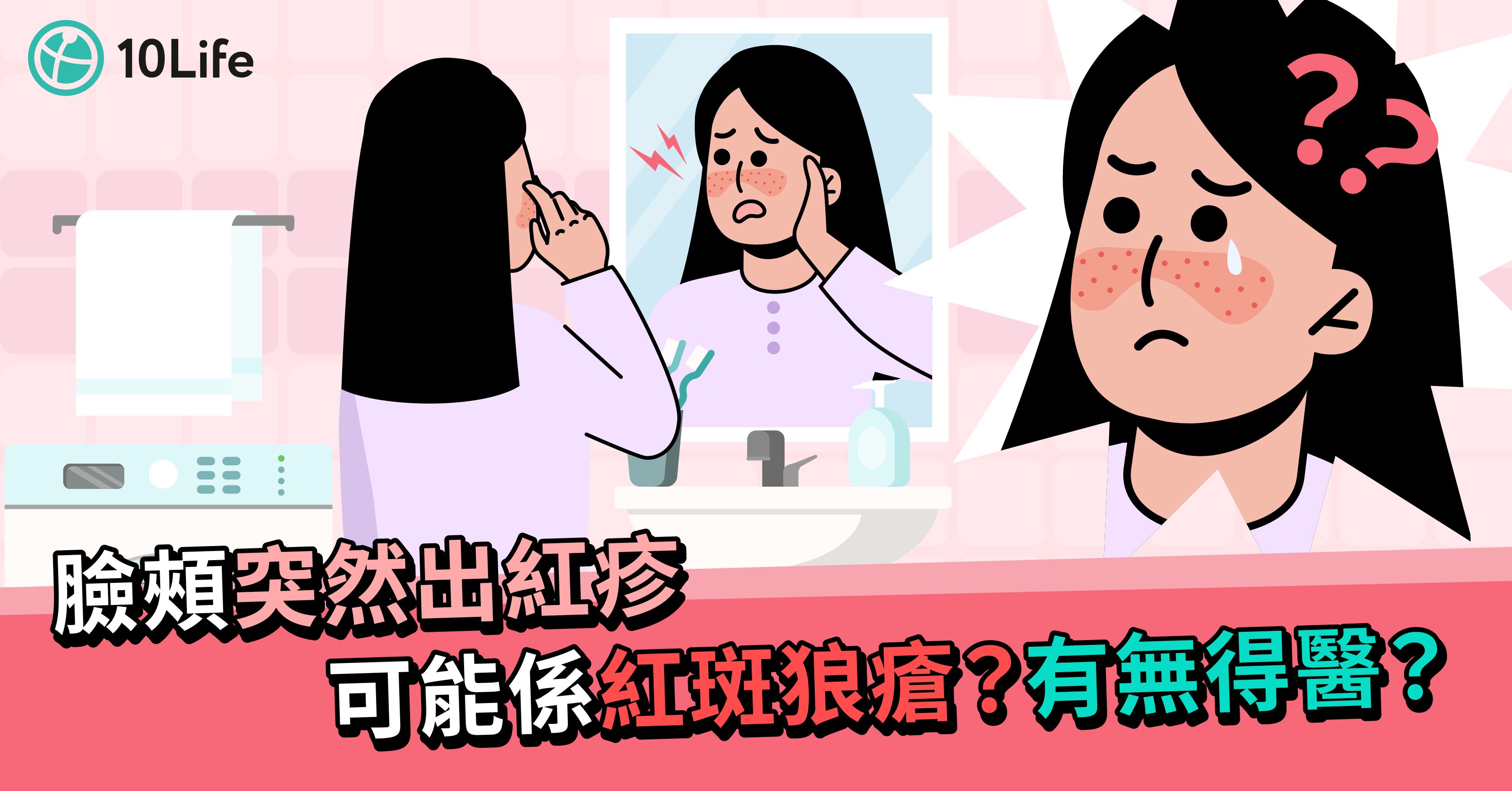
It is believed that many people have heard of lupus, especially in recent years as some celebrities have publicly disclosed their condition, making lupus more widely recognised. For instance, an American singer and actress suffered kidney damage due to lupus and required a kidney transplant to survive. There are also rumours that a late local actress was troubled by lupus during her lifetime. From their experiences, it is clear that lupus is not just a minor ailment causing skin rashes, but a condition that can potentially affect a patient's joints and overall organ function, and even lead to death due to severe complications. So, what are the causes of lupus? What are the symptoms of lupus? If someone is diagnosed with lupus, is there a way to treat it? Can lupus patients fully recover?
Systemic Lupus Erythematosus (SLE) is a common autoimmune disease, with approximately 60 out of every 100,000 people in Hong Kong affected by it. Rheumatologists note that SLE typically manifests between the ages of 15 and 45, with the majority of patients being female.
In patients with SLE, the immune system becomes dysregulated, producing excessive antibodies that attack healthy cells, leading to inflammation in the skin, joints, and even organs such as the kidneys, heart, and brain.
There are many factors that can trigger SLE, including oestrogen, ultraviolet light, chemicals in cigarettes, stress, and infections. Individuals with a family history of the condition are also at a higher risk of developing SLE.
According to information from rheumatology specialists and the Hong Kong Rheumatism Foundation, the most common symptoms of systemic lupus erythematosus (SLE) include unexplained fever, oral ulcers, and a red rash appearing on the bridge of the nose and cheeks. The distribution of the rash resembles the shape of a butterfly, which is why it is also referred to as a "butterfly rash."
Additionally, approximately 80 to 90 percent of SLE patients experience joint pain and swelling. Other severe complications include kidney failure, epilepsy, myocarditis, and pleural effusion, all of which carry a risk of fatality. Among these complications, nephritis is the most common, with over 90 percent of SLE patients experiencing varying degrees of nephritis. In some cases, patients may even develop kidney failure, which can lead to death.
Systemic lupus erythematosus is not contagious. However, the facial rash on the cheeks of SLE patients can sometimes be mistaken by others as a sign of a contagious disease, leading to reluctance to interact with them and affecting the patients' social lives. Symptoms such as joint pain and nephritis may also result in SLE patients losing their ability to work.
The symptoms of lupus are numerous, making it difficult to diagnose based on a single symptom. Blood testing is an effective method of detection.
According to guidelines cited by the Hong Kong Rheumatology Foundation, if blood tests reveal antibodies such as antinuclear antibodies (ANA) or lupus erythematosus cells (LE Cell), combined with clinical symptoms such as nephritis, low platelet count, or arthritis, a diagnosis of lupus can theoretically be confirmed.
Lupus erythematosus currently remains incurable, but the condition can be managed with medications such as hydroxychloroquine, steroids, and biologics to maintain the quality of life for patients.
Lupus erythematosus primarily affects young women, and many patients have concerns about fertility. A rheumatology specialist has pointed out that if the condition remains stable for at least six months and organs are unaffected, lupus patients may consider pregnancy. However, it should be noted that pregnant women with lupus have a higher risk of miscarriage and premature birth, and there is a 7% to 8% chance of passing lupus on to their children. If other non-direct relatives also have lupus, the likelihood of inheritance increases to 10% to 12%.
Doctors also remind lupus patients not to abruptly stop medication during pregnancy to prevent worsening of the condition. Hydroxychloroquine can be taken during pregnancy and breastfeeding.
General medical insurance and voluntary health insurance schemes cover expenses for inpatient treatment. However, patients with lupus may require long-term medication without necessarily needing extended hospitalisation. In such cases, these types of medical insurance may not assist with daily treatment costs.
Critical illness insurance, on the other hand, provides a lump-sum payout to policyholders diagnosed with specified severe illnesses, with no restrictions on how the funds are used. Policyholders can utilise the payout for living expenses, medication costs, or other needs. The coverage of severe illnesses varies across different critical illness insurance products, so it is important to check which conditions are included before purchasing. Currently, some critical illness insurance products do cover lupus.
If you wish to learn more, you can refer to an earlier article by 10Life comparing the coverage scope, policy terms, premiums, and other aspects of critical illness insurance. You are also welcome to contact 10Life’s professional insurance advisors for assistance.
Data sources: Hong Kong Rheumatism Foundation, Ming Pao, insurance companies
This English version of this article has been generated by machine translation powered by AI. It is provided solely for reference purposes. In the event of any discrepancy or inconsistency between this translation and the original Chinese version, the Chinese version shall prevail.

Our team of professional content researchers focussing on insurance
Our team of professional content researchers focussing on insurance
10Life Product Comparison and 10Life Insurance Ratings are developed by 10Life Financial Limited, an authorised insurance broker company licensed with the Insurance Authority under License Number FB1526. 10Life Product Comparison and 10Life Insurance Ratings are developed for generic customer segments using mathematical calculations based on product information, facts and data, and are not influenced by any partnerships with or fees received from insurance companies. Any information on 10Life Platform ("10Life Information"), including but not limited to Product Comparison, Product Ratings, Blog Articles are intended for general education purpose and reference only. None of the 10Life Information is intended, nor should they be considered or relied upon, as regulated advice, insurance, financial, investment or professional advice, recommendation, approval, endorsement, invitation or solicitation in respect of any insurance, financial or investment products. 10Life Information does not take into account your individual needs. Reading 10Life Information should not be considered as conducting a suitability assessment, and is not sufficient to form the basis of any decisions to purchase any insurance products. You should rely on information authorised by insurance companies, carry out your own research and/or seek independent advice from licensed intermediaries before purchasing any insurance products or making any insurance decisions. While reasonable effort is used when collecting, validating and updating 10Life Information from various channels, none of 10Life Group and its subsidiaries, affiliates, agents, directors, officers and employees will be responsible for any liability, claim or loss arising from or associated with you using 10Life Information. No warranty, representation or guarantee is given by 10Life Group and its subsidiaries on the accuracy, completeness and timeliness of the information. If you have any questions on 10Life Product Comparison and 10Life Insurance Ratings, please email us at enquiries@10life.com




 Talk to 10Life on WeChat
