









10Life Financial Limited
Enquiries: enquiries@10life.com
Hotline: (852) 3705 1599
Address: 16/F Greatmany Centre, 109-115 Queen’s Road East, Wan Chai, Hong Kong



What is low blood pressure? What is the threshold?
Common causes of low blood pressure
What are the symptoms of low blood pressure?
Who is more likely to develop low blood pressure?
Does low blood pressure indicate an underlying health condition?
What should you eat for low blood pressure?
How can low blood pressure be improved?
Voluntary Health Insurance Scheme Protect your health while enjoying tax deductions


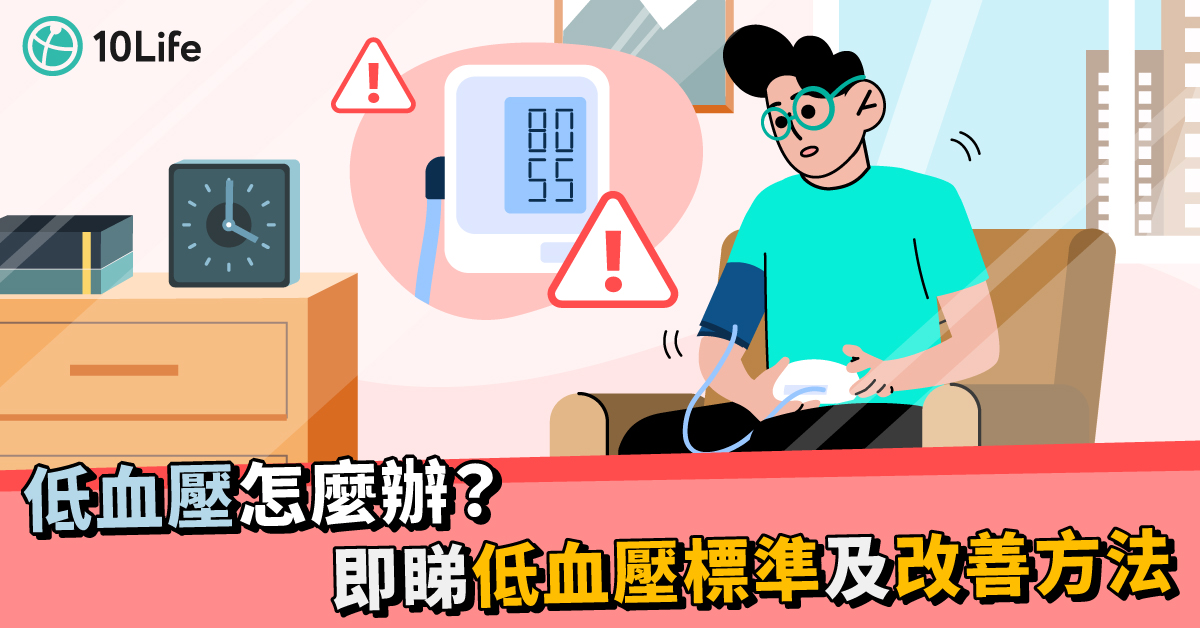
It is well known that high blood pressure increases the risk of stroke and heart disease, but low blood pressure can also affect your health and, in severe cases, even impair organ function. What is considered low blood pressure? What should you do if you have low blood pressure? What foods can help improve the condition? This time, 10Life will explain the standards for low blood pressure, its common causes and ways to improve it, helping you manage your health more effectively.
What is low blood pressure? What is the threshold?
Low blood pressure (Hypotension) refers to blood pressure that is below the normal range. Generally speaking, a systolic pressure (upper reading) below 90mmHg, or a diastolic pressure (lower reading) below 60mmHg, is considered low blood pressure.
However, everyone has different blood pressure standards. Athletes or young people may have lower blood pressure while remaining healthy and experiencing no discomfort. For some people, however, a sudden drop in blood pressure may affect the blood supply to vital organs, resulting in a slow heartbeat, dizziness and fatigue, and may even affect the function of the heart and brain.
Common causes of low blood pressure
There are many causes of low blood pressure. The following are some common factors:
If low blood pressure occurs suddenly and is accompanied by other unusual symptoms, seek medical attention as soon as possible to ensure that there are no underlying health conditions.
What are the symptoms of low blood pressure?
Low blood pressure may cause the following symptoms:
If you frequently experience the above symptoms, particularly dizziness when standing up suddenly, you should consult a doctor to determine whether they are related to low blood pressure.
Who is more likely to develop low blood pressure?
In fact, anyone can develop low blood pressure, but the following people are more likely to experience it:
Does low blood pressure indicate an underlying health condition?
Low blood pressure does not necessarily indicate a health problem. Some healthy people have low blood pressure without experiencing any discomfort and can continue to lead normal lives. However, if blood pressure drops suddenly, or if symptoms such as dizziness, palpitations or fainting occur frequently, it is important to consider whether there may be an underlying condition, such as anaemia, an endocrine disorder or cardiovascular disease. If you are uncertain about your condition or are concerned that low blood pressure may affect your health, you should consult a doctor as soon as possible and undergo any necessary examinations.
What should you eat for low blood pressure?
Although diet cannot immediately raise blood pressure, consuming the right nutrients can help maintain stable blood pressure. The following foods may be beneficial:
If you have a chronic illness or are taking medication, it is recommended that you consult a doctor first to determine the dietary approach that is suitable for you and ensure your health and safety.
How can low blood pressure be improved?
In addition to dietary changes, adjusting daily habits can also help manage low blood pressure and reduce discomfort. The following measures can help maintain stable blood pressure:
Avoid getting up suddenly to reduce the risk of dizziness or postural hypotension. When getting out of bed in the morning, stretch your body while still in bed, then slowly sit up and wait for your body to adjust before standing. When getting up from a chair, cross your legs several times first to help blood return to the heart. In addition, slightly elevating your head while sleeping may help reduce discomfort caused by low blood pressure at night.
Maintaining the same posture for a long time may cause blood pressure to drop. Move around at suitable intervals, such as getting up and walking around regularly, to promote blood circulation.
Appropriate physical activity can help raise blood pressure and improve circulation. Even a short 10-minute walk can help stabilise blood pressure. If you work from home, consider using a standing desk or placing a treadmill under your desk so that you can stay active while working. You can also engage regularly in gentler forms of exercise, such as brisk walking, swimming or simple stretching exercises, to improve your fitness.
Compression stockings can help blood return to the heart and reduce dizziness caused by low blood pressure. They are particularly suitable for people who are prone to postural hypotension.
After eating a large meal, blood is directed towards the digestive system, causing blood pressure to drop temporarily. Therefore, eating small, frequent meals is recommended to reduce fluctuations in blood pressure after meals. In addition, choosing wholegrain foods that are digested more slowly, such as brown rice and oats, can help maintain more stable blood pressure than refined carbohydrates such as white bread, white rice and pastries.
Adjusting your lifestyle habits alongside your diet can help improve low blood pressure. If abnormal blood pressure persists or is accompanied by severe discomfort, consult a doctor for further examination and treatment.
This article is for reference only and cannot replace professional medical advice. If you have any health concerns, please consult a doctor.
Voluntary Health Insurance Scheme Protect your health while enjoying tax deductions
Persistently low blood pressure may well be a warning sign from your body. You should seek an early diagnosis to identify the underlying cause and effectively manage the condition. If you would like medical coverage when you fall ill, you may consider purchasing the Voluntary Health Insurance Scheme, which provides reimbursement-based medical coverage and offers tax deduction benefits. If you would like to know which Voluntary Health Insurance Scheme is best, feel free to consult a licensed insurance adviser at 10Life for professional advice.
Further reading
What is visceral fat? How can it be reduced? A comprehensive analysis of standard levels and practical ways to reduce visceral fat
【Ligament tears】Understand the symptoms, location, causes and treatment of cruciate ligament tears
What is the Voluntary Health Insurance Scheme? Understand the difference between the Voluntary Health Insurance Scheme vs medical insurance
References:
本文最後更新日期:17 April 2025
This English version of this article has been generated by machine translation powered by AI. It is provided solely for reference purposes. In the event of any discrepancy or inconsistency between this translation and the original Chinese version, the Chinese version shall prevail.
Our team of professional content researchers focussing on insurance
Our team of professional content researchers focussing on insurance
10Life Product Comparison and 10Life Insurance Ratings are developed by 10Life Financial Limited, an authorised insurance broker company licensed with the Insurance Authority under License Number FB1526. 10Life Product Comparison and 10Life Insurance Ratings are developed for generic customer segments using mathematical calculations based on product information, facts and data, and are not influenced by any partnerships with or fees received from insurance companies. Any information on 10Life Platform ("10Life Information"), including but not limited to Product Comparison, Product Ratings, Blog Articles are intended for general education purpose and reference only. None of the 10Life Information is intended, nor should they be considered or relied upon, as regulated advice, insurance, financial, investment or professional advice, recommendation, approval, endorsement, invitation or solicitation in respect of any insurance, financial or investment products. 10Life Information does not take into account your individual needs. Reading 10Life Information should not be considered as conducting a suitability assessment, and is not sufficient to form the basis of any decisions to purchase any insurance products. You should rely on information authorised by insurance companies, carry out your own research and/or seek independent advice from licensed intermediaries before purchasing any insurance products or making any insurance decisions. While reasonable effort is used when collecting, validating and updating 10Life Information from various channels, none of 10Life Group and its subsidiaries, affiliates, agents, directors, officers and employees will be responsible for any liability, claim or loss arising from or associated with you using 10Life Information. No warranty, representation or guarantee is given by 10Life Group and its subsidiaries on the accuracy, completeness and timeliness of the information. If you have any questions on 10Life Product Comparison and 10Life Insurance Ratings, please email us at enquiries@10life.com




 Talk to 10Life on WeChat
