









10Life Financial Limited
Enquiries: enquiries@10life.com
Hotline: (852) 3705 1599
Address: 16/F Greatmany Centre, 109-115 Queen’s Road East, Wan Chai, Hong Kong



What is cat flu?
Common Symptoms of Cat Colds
Shield your pet from the elements: Pet insurance accompanies you in safeguarding every moment
Will a cat’s cold get better on its own?
Are sneezing and a runny nose in cats always caused by a cat cold?
Does Lysine help improve cat flu?


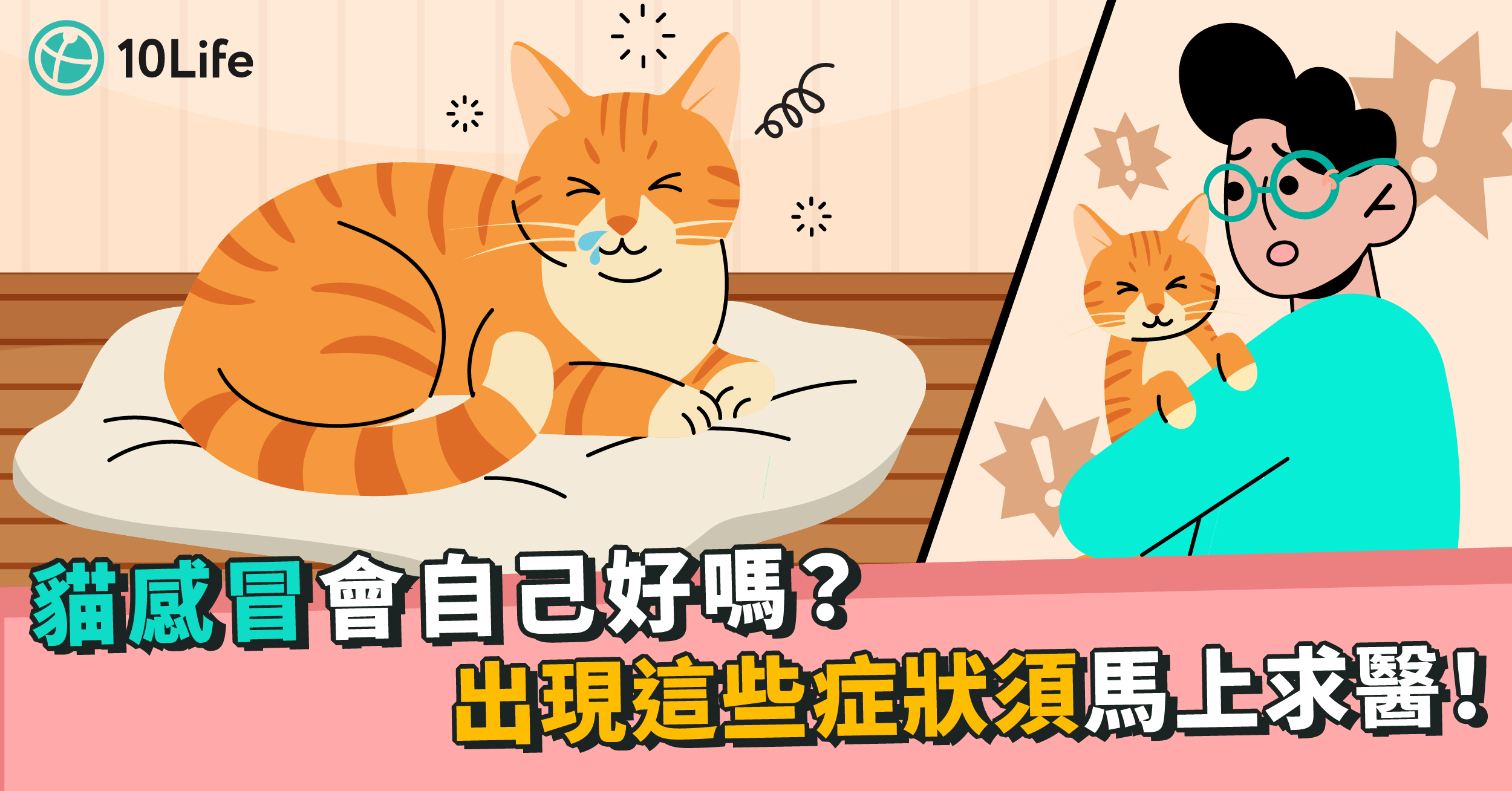
Cat flu, more accurately known in medical terms as an “upper respiratory tract infection”, is a common illness affecting cats worldwide. It not only causes obvious discomfort to cats, but if not managed properly, it may also lead to serious complications and even become life-threatening. This article will examine in detail the causes, symptoms, treatment options and prevention strategies for cat flu, and explore how pet insurance can help ensure pets receive appropriate treatment when they are unwell, providing pet owners with a comprehensive care guide.
What is cat flu?
Cat flu is not a single disease, but a general term for a range of infectious conditions that affect a cat’s upper respiratory system. This group of symptoms mainly affects the nose, throat and eyes. The vast majority of cases (around 90%) are caused by viruses, and studies indicate that the most common culprits are feline herpesvirus (FHV-1) and feline calicivirus (FCV). In addition, bacterial infections (such as chlamydia and Bordetella) may occur on their own or alongside a viral infection, making the condition more complex.
These infections are highly contagious. Viruses or bacteria can spread through the saliva, eye and nasal secretions of infected cats, either by direct contact or via droplets. Shared food bowls, water bowls, toys and even owners’ hands can become transmission routes. Outbreaks can spread particularly quickly in high-density environments such as multi-cat households or shelters.
Viral infection is the core cause of cat flu. Feline herpesvirus (FHV-1) is not only highly contagious, but once a cat is infected, the virus remains dormant for life in the cat’s nervous system. When a cat is under stress (such as changes in the environment or the introduction of a new family member) or its immunity is weakened, the virus may reactivate and trigger a recurrence of symptoms. Feline calicivirus (FCV), meanwhile, is known for its varied clinical signs. In addition to typical respiratory symptoms, it may also cause oral ulcers, leading cats to refuse food because of pain.
Although cats of any age can be infected, certain groups are at higher risk and may develop more severe illness. Research indicates that these high-risk groups include kittens and older cats, cats with weaker immunity, cats in multi-cat households, and cats that have not completed the core three-in-one vaccination course.
Common Symptoms of Cat Colds
The symptoms of cat flu vary widely, ranging from mild local discomfort to systemic problems affecting the whole body, with different degrees of severity. Identifying these warning signs early is key to seizing the best opportunity for treatment.
Respiratory and eye symptoms:
As the infection worsens and affects the whole body, the cat’s behaviour and physical condition will also change significantly:
Shield your pet from the elements: Pet insurance accompanies you in safeguarding every moment
The cost of treating a cat for a cold can range from a few hundred to several thousand Hong Kong dollars, depending on the severity of the condition, the tests required (such as X-rays and pathogen PCR testing), and the length of hospitalisation. A standard outpatient consultation typically costs around $300 to $700, while hospitalisation may cost as much as $600 to $1,500 per day. Faced with this unexpected expense, pet insurance has become an important support for many pet owners.
10Life also provides professional analysis, helping everyone compare the pet insurance plans offered by major insurers in the market in greater depth.
Further reading:Hong Kong Pet Insurance Comparison 2026: Coverage and Premiums Fully Disclosed (with Exclusive Actuarial Scores)
These plans usually cover eligible medical expenses arising from illness, including upper respiratory tract infections, such as veterinary consultation fees, medication costs, laboratory fees and hospitalisation charges. Pet owners should pay particular attention to the following points when taking out insurance:
By insuring your cat while it is still healthy, you can ease the burden of heavy medical expenses if it unfortunately falls ill, allowing you to choose the most suitable treatment for your beloved cat with greater peace of mind.
Will a cat’s cold get better on its own?
A cat’s cold is often more worth paying attention to in terms of overall condition and behavioural changes than the visible symptoms alone. Reduced appetite and fussiness are the most common warning signs. In severe cases, your pet may refuse to eat or drink altogether, leading to dehydration and malnutrition. Low spirits and lethargy, with activity levels noticeably lower than usual; a previously lively and active pet may start hiding and avoid interaction. An elevated body temperature or fever, with the body feeling unusually hot to the touch, may be accompanied by shivering or rapid breathing. Weight loss over a short period, poor coat condition, and reduced grooming frequency are all signs of a weakened immune system. Cats naturally hide pain and illness, so when their behaviour changes significantly, it often means discomfort has been present for some time.
In the following situations, do not wait; seek veterinary help immediately:
Feline herpesvirus infection, caused by feline herpesvirus type 1 (FHV-1), is one of the most common causes of cat colds. Once infected, this virus usually remains latent in a cat’s body for life, particularly in nerve tissue such as the trigeminal ganglion. Therefore, in strict terms, the virus itself cannot be completely eliminated, making a state of “full recovery” difficult to achieve.
However, this does not mean that a cat cannot regain good health. After the initial infection, with appropriate care (such as nutritional support, maintaining hydration, and using antiviral medication or antibiotics when necessary to fight secondary bacterial infections), most cats’ acute symptoms (such as sneezing, eye and nasal discharge, fever, and conjunctivitis) will improve significantly or even disappear within 1 to 2 weeks, allowing them to return to normal life.
It is worth noting that research indicates that stress, illness, and environmental changes may reactivate the virus, triggering recurrent symptoms, especially eye-related issues (such as corneal ulcers or chronic conjunctivitis). Therefore, when caring for a pet that has previously been infected with herpesvirus, maintaining a stable, low-stress living environment, a balanced diet, and regular health check-ups is crucial for preventing recurrence.
This article is for general pet health information only and does not replace professional veterinary diagnosis and treatment. If your cat shows signs of discomfort, please consult a veterinarian as soon as possible.
Are sneezing and a runny nose in cats always caused by a cat cold?
Although sneezing and a runny nose are typical symptoms of cat flu, they are not the only possible causes. The following are common reasons why cats sneeze / catch a sneeze:
Does Lysine help improve cat flu?
In some individual cases, Lysine may provide slight relief for symptoms such as watery eyes and a runny nose. However, it is important to understand that it is not a treatment and may not be helpful for all cases of feline cold; the medical evidence is quite limited. Lysine should only be regarded as a supplementary health product for certain cases, and cannot replace antibiotics or antiviral medication. If a veterinarian assesses it as suitable, use Lysine according to the product instructions and the doctor’s advice; do not self-supplement in large amounts. Many home remedies on the market lack scientific validation, and blind reliance may delay treatment. When it comes to your pet’s health, sound judgement and professional advice are the right approach. Rather than relying on a single nutrient supplement, it is better to strengthen your pet’s immunity in a comprehensive way, from a balanced diet and moderate exercise to reduced stress, laying a solid foundation for good health.

This English version of this article has been generated by machine translation powered by AI. It is provided solely for reference purposes. In the event of any discrepancy or inconsistency between this translation and the original Chinese version, the Chinese version shall prevail.

Our team of professional content researchers focussing on insurance
Our team of professional content researchers focussing on insurance
10Life Product Comparison and 10Life Insurance Ratings are developed by 10Life Financial Limited, an authorised insurance broker company licensed with the Insurance Authority under License Number FB1526. 10Life Product Comparison and 10Life Insurance Ratings are developed for generic customer segments using mathematical calculations based on product information, facts and data, and are not influenced by any partnerships with or fees received from insurance companies. Any information on 10Life Platform ("10Life Information"), including but not limited to Product Comparison, Product Ratings, Blog Articles are intended for general education purpose and reference only. None of the 10Life Information is intended, nor should they be considered or relied upon, as regulated advice, insurance, financial, investment or professional advice, recommendation, approval, endorsement, invitation or solicitation in respect of any insurance, financial or investment products. 10Life Information does not take into account your individual needs. Reading 10Life Information should not be considered as conducting a suitability assessment, and is not sufficient to form the basis of any decisions to purchase any insurance products. You should rely on information authorised by insurance companies, carry out your own research and/or seek independent advice from licensed intermediaries before purchasing any insurance products or making any insurance decisions. While reasonable effort is used when collecting, validating and updating 10Life Information from various channels, none of 10Life Group and its subsidiaries, affiliates, agents, directors, officers and employees will be responsible for any liability, claim or loss arising from or associated with you using 10Life Information. No warranty, representation or guarantee is given by 10Life Group and its subsidiaries on the accuracy, completeness and timeliness of the information. If you have any questions on 10Life Product Comparison and 10Life Insurance Ratings, please email us at enquiries@10life.com




 Talk to 10Life on WeChat
