









10Life Financial Limited
Enquiries: enquiries@10life.com
Hotline: (852) 3705 1599
Address: 16/F Greatmany Centre, 109-115 Queen’s Road East, Wan Chai, Hong Kong



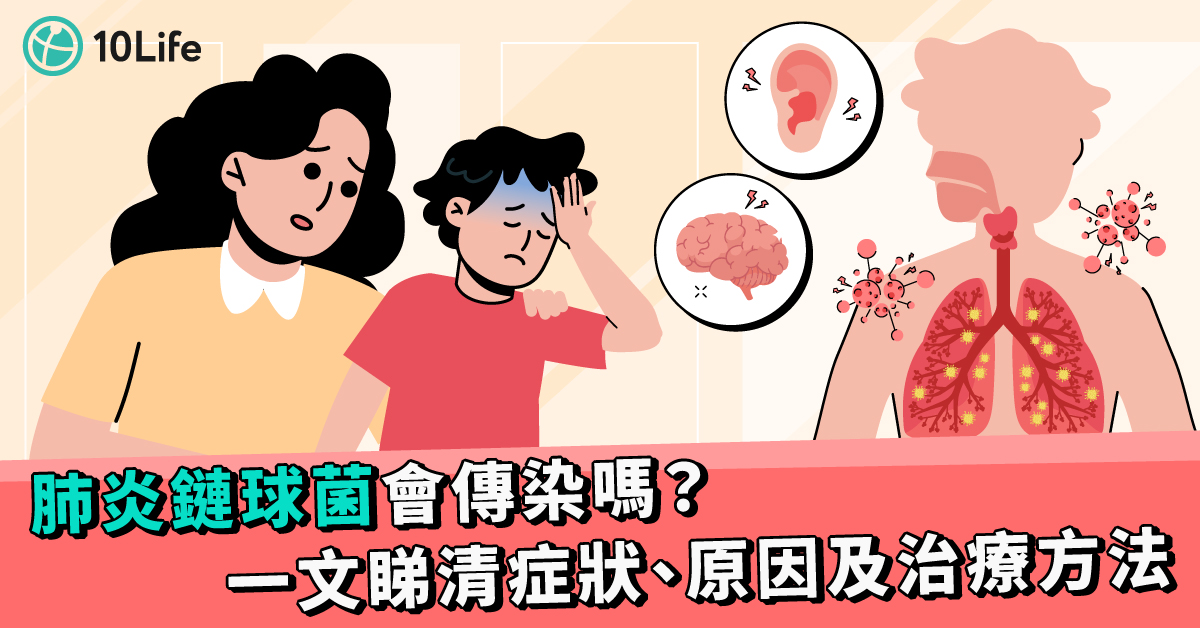
For elderly or frail members of the household, infection with pneumococcal bacteria (also known as pneumococcus) can, unfortunately, not only lead to potentially fatal pneumonia, but also cause other serious illnesses such as meningitis and septicaemia. Therefore, neither parents nor carers should let their guard down. Vaccination, together with maintaining good personal and environmental hygiene, especially during outbreaks of respiratory infectious diseases, are important preventive measures. If suspected symptoms appear, medical attention should be sought as soon as possible. 10Life has compiled an overview of the symptoms pneumococcal infection can cause, the reasons for infection, routes of transmission and treatment methods, to dispel common misconceptions about pneumococcal disease.
According to information from the Centre for Health Protection, pneumococcal bacteria can live in the nose and throat of healthy people, and this is especially common in children. Carrying the bacteria does not necessarily mean that illness will develop or symptoms will appear. However, when the body’s resistance is weaker, the bacteria can invade the body and cause infection. In particular, for high-risk individuals, it may cause various infectious diseases. The related symptoms depend on the site of invasion, and fever is common in many cases, including pneumonia, otitis media and meningitis. Once the bacteria invade the meninges and blood, causing meningitis, bacteraemia or septicaemia respectively, this is medically classified as invasive pneumococcal disease. The consequences can range from mild to severe.
| Disease Caused by Infection | Symptoms |
Pneumonia | Fever, shortness of breath, chills and a cough with phlegm; severe cases can be fatal. |
Otitis media | Fever, ear pain or discharge. If recurrent infections occur, hearing may be affected. |
Meningitis | Fever, stiff neck and confusion, which can lead to long-term hearing impairment and may be fatal in severe cases. |
Bacteraemia and sepsis | Joint pain and chills, and may cause infections in other parts of the body at the same time, such as pneumonia and meningitis. |
Pneumococcal bacteria are commonly found in the human upper respiratory tract, so they can spread easily from person to person through various means, including droplets produced when an infected person coughs or sneezes, close contact with an infected person, or touching objects contaminated by pneumococcal bacteria. The incubation period is approximately 1 to 3 days.
The medical community generally considers several groups to be at higher risk, as they are more susceptible to attacks by pneumococcal bacteria, especially when their immunity is weaker. These include young children, older adults and people with chronic illnesses, such as those with diabetes. Other people also fall into this high-risk group, including those who have previously developed meningitis, bacteraemia or sepsis caused by pneumococcal bacteria; people with weakened immunity, such as cancer patients, people with AIDS, those without a spleen, and those who have received a cochlear implant.
How many people in Hong Kong are infected by this bacterium each year and develop serious illness? According to the Centre for Health Protection, invasive pneumococcal disease is a notifiable infectious disease in Hong Kong. The Centre received 94 and 32 relevant cases12 in 2023 and 2024 (as of the end of March) respectively.
An analysis by the authorities3 also pointed out that between 2018 and 2022, the incidence rate of invasive pneumococcal disease in Hong Kong ranged from 0.34 to 2.54 cases per 100,000 people. Comparing different age groups, the incidence rate was higher among those aged 2 to 4 and those aged 65 or above. As for deaths during the same period, there were between 4 and 31 cases each year, which is a matter of concern.
Unfortunately, if pneumococcal infection leads to the illnesses mentioned above, it is less likely that the patient will recover on their own. Therefore, if symptoms are suspected, medical attention must be sought as soon as possible. A doctor will prescribe suitable antibiotics for treatment. If an antibiotic-resistant bacterium is identified, it may be necessary to try different antibiotics in clinical treatment.
The Centre for Health Protection states that vaccination is an effective way to prevent pneumococcal infection. The Department of Health has included the relevant preventive vaccine in the existing vaccination programme, providing free or subsidised vaccination for eligible older adults aged 65 or above and high-risk individuals. Under the Hong Kong Childhood Immunisation Programme, newborn babies can receive the relevant vaccine free of charge at 2 months and 4 months of age, and receive 1 booster dose at 12 months of age, for a total of 3 doses.
Other preventive measures include keeping hands clean, especially before touching the mouth, nose or eyes; and washing hands after touching public facilities such as handrails or door handles. Parents or carers may also clean and disinfect frequently touched items more often, including furniture, toys and shared items, for example by using diluted household bleach at a ratio of 1 to 99 for disinfection. In addition, 70% alcohol can be used to clean and disinfect metal surfaces.
Indoors, good ventilation should be maintained at all times, and crowded or poorly ventilated public places should be avoided, especially by high-risk individuals. In addition, maintaining a balanced diet, regular exercise, adequate rest, and avoiding smoking and drinking all help to build a strong immune system. When people develop respiratory symptoms, they should not go to work or school, and should seek medical attention as soon as possible for diagnosis and treatment.
Unfortunately, infection with pneumococcal disease poses a health risk to children, the elderly and people with chronic illnesses. If the condition becomes severe, hospitalisation may be required, such as staying in a private hospital for several days to a week, and treatment costs can reach tens of thousands of dollars. Therefore, parents should plan ahead and purchase medical insurance for their young children as early as possible, so that they can have greater flexibility in choosing treatment options in future and ease the burden of medical expenses.
Before purchasing medical insurance, the public should clearly understand the scope of coverage of the insurance product and choose the most suitable plan for themselves or their family members. Generally speaking, children’s outpatient medical insurance covers consultation fees and basic medication costs, while children’s inpatient medical insurance covers surgery and hospitalisation expenses, such as ward room charges and doctors’ ward rounds fees.
Parents who would like to learn more may refer to the following 10Life articles:
【Children’s Insurance】Primary school pupils heading back to school: compare medical insurance premiums and coverage
【Young Children’s Insurance】What medical insurance is best for kindergarten children?
Or use the Product Decoder for a preliminary comparison of different insurance plans.
Source: Centre for Health Protection
Note:

This English version of this article has been generated by machine translation powered by AI. It is provided solely for reference purposes. In the event of any discrepancy or inconsistency between this translation and the original Chinese version, the Chinese version shall prevail.
Our team of professional content researchers focussing on insurance
Our team of professional content researchers focussing on insurance
10Life Product Comparison and 10Life Insurance Ratings are developed by 10Life Financial Limited, an authorised insurance broker company licensed with the Insurance Authority under License Number FB1526. 10Life Product Comparison and 10Life Insurance Ratings are developed for generic customer segments using mathematical calculations based on product information, facts and data, and are not influenced by any partnerships with or fees received from insurance companies. Any information on 10Life Platform ("10Life Information"), including but not limited to Product Comparison, Product Ratings, Blog Articles are intended for general education purpose and reference only. None of the 10Life Information is intended, nor should they be considered or relied upon, as regulated advice, insurance, financial, investment or professional advice, recommendation, approval, endorsement, invitation or solicitation in respect of any insurance, financial or investment products. 10Life Information does not take into account your individual needs. Reading 10Life Information should not be considered as conducting a suitability assessment, and is not sufficient to form the basis of any decisions to purchase any insurance products. You should rely on information authorised by insurance companies, carry out your own research and/or seek independent advice from licensed intermediaries before purchasing any insurance products or making any insurance decisions. While reasonable effort is used when collecting, validating and updating 10Life Information from various channels, none of 10Life Group and its subsidiaries, affiliates, agents, directors, officers and employees will be responsible for any liability, claim or loss arising from or associated with you using 10Life Information. No warranty, representation or guarantee is given by 10Life Group and its subsidiaries on the accuracy, completeness and timeliness of the information. If you have any questions on 10Life Product Comparison and 10Life Insurance Ratings, please email us at enquiries@10life.com




 Talk to 10Life on WeChat
