









10Life Financial Limited
Enquiries: enquiries@10life.com
Hotline: (852) 3705 1599
Address: 16/F Greatmany Centre, 109-115 Queen’s Road East, Wan Chai, Hong Kong



When an old policy matures, the bank promptly comes calling with a “limited-time offer”.
Signed documents in haste; asset declarations surged unexpectedly
Only after a large sum was deducted from the account did one realise that a loan had been taken out in one’s name
The bank stated that the complaint had “no objective evidence”; the investigation findings were contradictory
10Life intervenes to assist and makes a formal and serious demand
10Life reminds everyone: 3 key points to note about premium financing
10Life is committed to fighting for the rights of insurance claimants



She had only wanted to earn steady interest income, so why did she end up, through no fault of her own, as a victim saddled with more than HK$5.03 million in debt? Recently, Headline Daily reported a case of suspected malpractice by a bank, which precisely played out this “wealth management turned into debt” nightmare. The 10Life team was previously invited to speak to Headline Daily to help the public unpack this premium financing trap.
As she entered retirement age, Madam Chan, a 65-year-old long-standing customer of a medium-sized bank for 40 years, had always preferred safe short- to medium-term savings products. However, in mid-2025, she was enticed by the branch manager with a purported 8.5% return and, without her full understanding, took out over HK$5.43 million through “premium financing” to purchase a savings insurance plan. Her 40 years of trust in the bank ultimately turned into a huge debt on paper, leaving Madam Chan anxious and self-reproachful every day.
When an old policy matures, the bank promptly comes calling with a “limited-time offer”.
In June 2025, an old policy held by Ms Chan expired, with a maturity cash value of approximately HK$1.3 million. Just before the policy matured, the bank proactively called her to promote an insurance plan offering a “6% discount” and “an annual return of 8.5%”, stressing that the offer was only available to those who took out a policy before the end of June.
After being persuaded by the branch manager, she visited a branch in the district in late June 2025 to meet the branch manager in person. During the meeting, the branch manager showed her on a computer screen a plan that could deliver an annual return of 8.5% over eight years. For a retired elderly person, the returns were highly attractive.
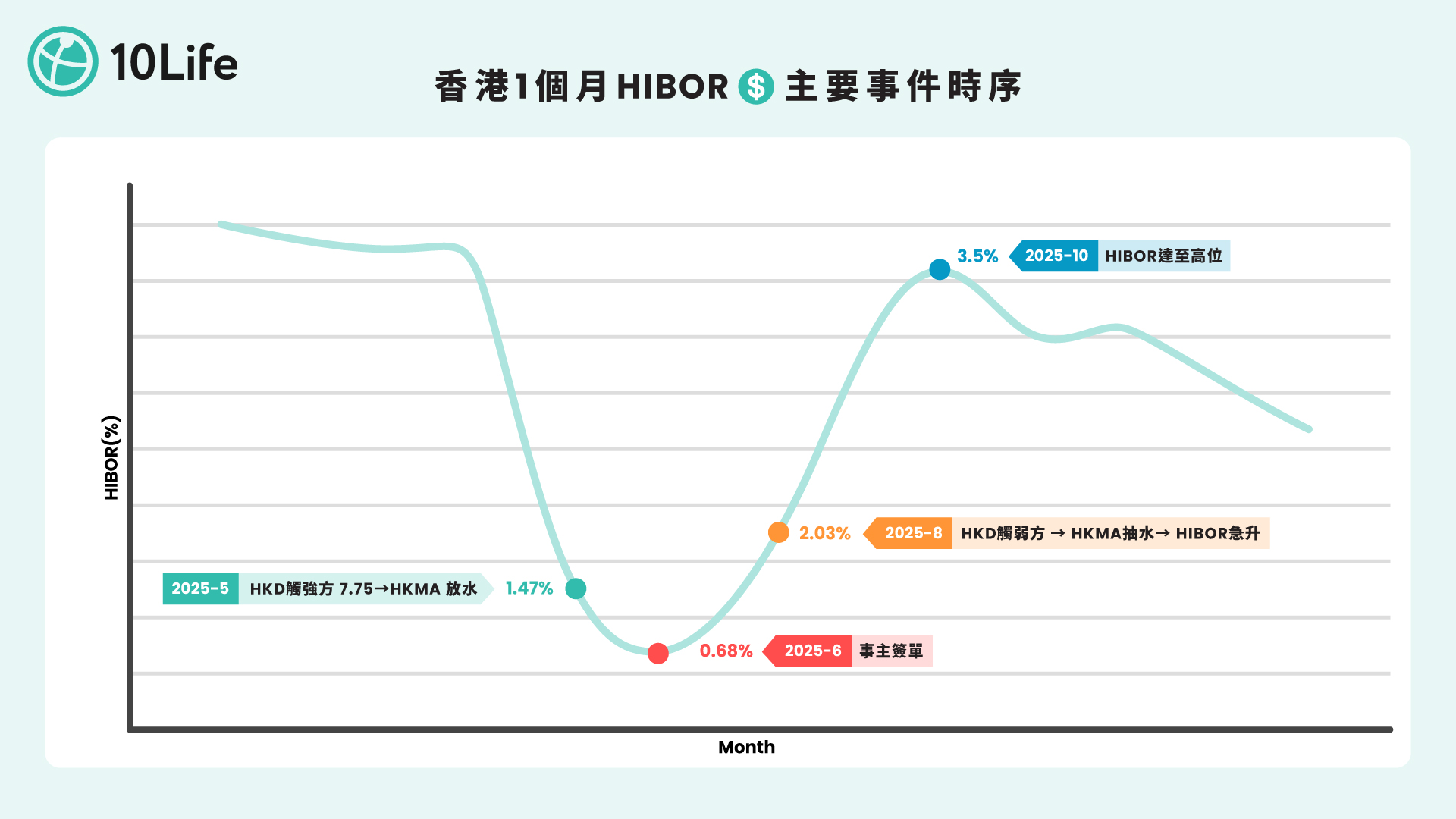
However, behind this lay a key factor that was not clearly explained — premium financing. The assumption was that interest rates would remain at an extremely low level throughout the eight-year period, and that the dividend realisation rate would reach 100%; under these conditions, a return of 8.5% could be achieved upon surrender. However, the interest on this premium financing loan would fluctuate with market interest rates. When Ms Chan took out the policy, rates were at a low in 2025, but interest rates then continued to rise, causing her monthly interest expenses to increase sharply.
Signed documents in haste; asset declarations surged unexpectedly
Recounting the day the policy was signed in June 2025, Mrs Chan arrived at the branch at around 10 a.m. That same day at noon, she had to go to Kowloon for a medical appointment. The branch manager urged her to return to the bank in the afternoon to complete the insurance application on the same day. Did the branch manager have sufficient time to comply with the regulatory requirements, explain the policy returns and the interest rate risks of premium financing, and understand the customer’s financial needs? Mrs Chan recalled that the entire signing process was rushed under severe time pressure, with all documents signed quickly on a tablet only.
As a bank customer for 40 years, Mrs Chan trusted the bank and, without gaining a thorough understanding of the product, took out a whole life insurance policy with a premium of as much as US$1 million (approximately HK$7.8 million) within a single day, involving a premium financing loan of up to HK$5.43 million.
Two days later, the bank asked Mrs Chan to return to the branch to sign an “Application Amendment Form” handwritten by a bank staff member: because she had built a relationship of trust with the relationship manager for more than a year, she was willing to disclose more assets, and the declared amount of her net liquid assets was suddenly “substantially increased” to HK$19.99 million.
Mrs Chan vehemently disputed this, saying she had never had assets of HK$19.99 million. The manager had only been transferred to that branch in early 2025, so where did a relationship of trust lasting more than a year come from? In fact, a year earlier, Mrs Chan had also been persuaded to take out another savings insurance policy, and the assets declared at that time were about HK$5 million.
Only after a large sum was deducted from the account did one realise that a loan had been taken out in one’s name
Nearly two months after taking out the policy, in August 2025, Mrs Chan discovered that HK$9,207 had been debited from her bank account, an amount exceeding the monthly fixed premium contribution of HK$7,800 she had expected. It was only then that she realised the policy was in fact tied to a substantial premium financing loan, and that she had already missed the 21-day cooling-off period, losing the opportunity to cancel the policy unconditionally.
This loan carried a floating interest rate, meaning the rate would rise and fall in line with market movements. According to records provided by Mrs Chan, she had once been required to pay as much as HK$19,808 in interest in a single month. As Mrs Chan is retired and has limited income, the pressure of servicing the interest was considerable.
When she asked the branch manager about it, he tried to reassure her by saying that “interest rates in the US will be cut”. However, rates did not come down. The branch manager then seized the opportunity to promote another fund, saying that the income from the fund could be used to repay the loan, leaving Mrs Chan feeling helpless.
In October 2025, Mrs Chan told the branch manager that she wanted to cancel the policy and stop the heavy monthly interest burden as soon as possible. However, the manager informed her that even if the policy were cancelled, she would still need to continue paying the remaining loan interest. Of course, the premiums she had originally paid out of pocket would not be recoverable either, because this was an early surrender, and the surrender value would be used to repay the principal of the loan.
The bank stated that the complaint had “no objective evidence”; the investigation findings were contradictory
In January 2026, Mrs Chan herself lodged a complaint with the bank, but the bank’s written reply at the end of March stated that there was “no objective evidence” to support the complaint. She subsequently sought help from Scoop, and the incident drew attention after being reported on the programme. 10Life also stepped in to assist after understanding the case, and, with Mrs Chan’s authorisation, formally lodged a complaint with the bank on her behalf.
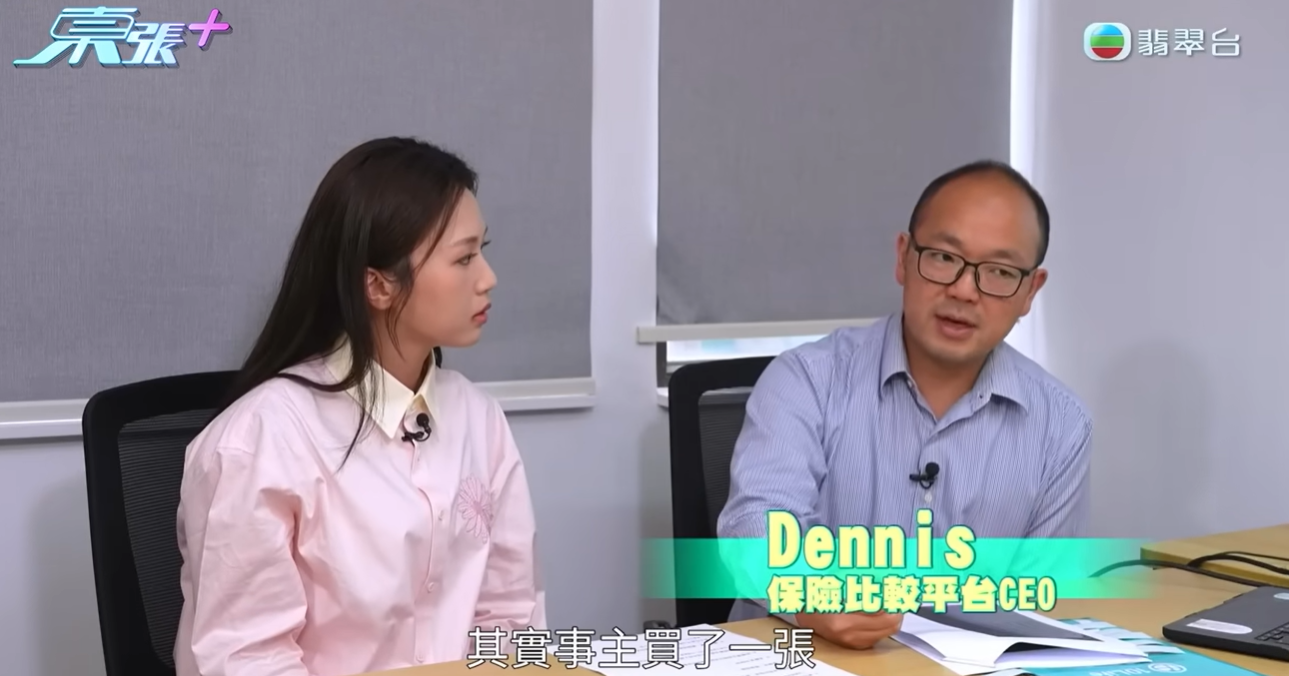
However, after reviewing the relevant documents, 10Life found several contradictions in the bank’s reply at the end of March:
10Life intervenes to assist and makes a formal and serious demand
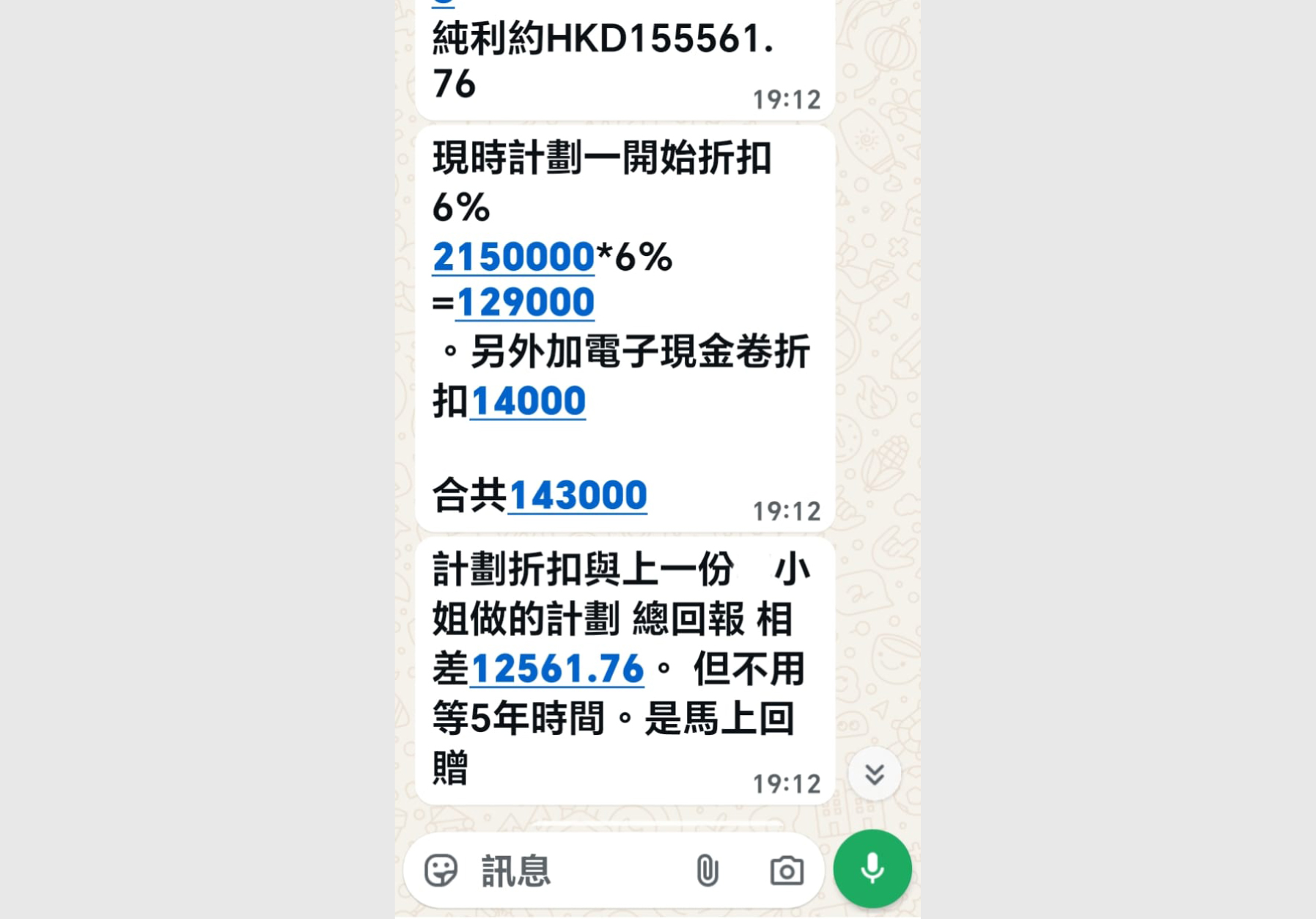
As the repayment deadline is 30 June 2026, the situation is urgent. After reviewing the case, 10Life, with Ms Chan’s authorisation, issued a formal complaint letter to the bank’s senior management, pointing out a number of potential compliance concerns involved in the incident: including inaccurate asset declarations, failure to properly assess the customer’s repayment capacity, suspected excessive borrowing, and never explaining the customer’s right to the 21-day cooling-off period. We will continue to follow Ms Chan’s case and provide further coverage.
10Life reminds everyone: 3 key points to note about premium financing
The case of the policyholder is by no means an isolated incident, and 10Life has previously received assistance requests of this kind on multiple occasions. We remind readers to pay close attention to the following warning signs:
Once again, please note that if premium financing is used, the policyholder must gain a thorough understanding of the product being taken out. If anything is unclear, professional assistance should be sought. General savings insurance products have a 21-day cooling-off period. If the policyholder cancels the policy within this period, all premiums paid can be fully refunded.
Premium financing involves leverage risk and is not suitable for all investors, especially retirees seeking stable passive income. Before taking out a policy, you must proactively request a written explanation to confirm whether the product involves any borrowing arrangement.
10Life is committed to fighting for the rights of insurance claimants
In the market, apart from being mindful when purchasing premium financing products, there may also be many pitfalls in other insurance products. If you have encountered poor insurance sales practices, or are facing significant difficulties when making a claim, please feel free to contact 10Life via WhatsApp at 37051599.
Further reading:
[Premium Financing] In a high-interest-rate environment, using premium financing may result in a loss upon exit
[Insurance Clinic] Turning term insurance into borrowing to buy savings insurance — a bank’s sudden loan call reveals a sales trap
This English version of this article has been generated by machine translation powered by AI. It is provided solely for reference purposes. In the event of any discrepancy or inconsistency between this translation and the original Chinese version, the Chinese version shall prevail.
I’m delighted to be part of 10Life in building a one stop insurance platform.
10Life Product Comparison and 10Life Insurance Ratings are developed by 10Life Financial Limited, an authorised insurance broker company licensed with the Insurance Authority under License Number FB1526. 10Life Product Comparison and 10Life Insurance Ratings are developed for generic customer segments using mathematical calculations based on product information, facts and data, and are not influenced by any partnerships with or fees received from insurance companies. Any information on 10Life Platform ("10Life Information"), including but not limited to Product Comparison, Product Ratings, Blog Articles are intended for general education purpose and reference only. None of the 10Life Information is intended, nor should they be considered or relied upon, as regulated advice, insurance, financial, investment or professional advice, recommendation, approval, endorsement, invitation or solicitation in respect of any insurance, financial or investment products. 10Life Information does not take into account your individual needs. Reading 10Life Information should not be considered as conducting a suitability assessment, and is not sufficient to form the basis of any decisions to purchase any insurance products. You should rely on information authorised by insurance companies, carry out your own research and/or seek independent advice from licensed intermediaries before purchasing any insurance products or making any insurance decisions. While reasonable effort is used when collecting, validating and updating 10Life Information from various channels, none of 10Life Group and its subsidiaries, affiliates, agents, directors, officers and employees will be responsible for any liability, claim or loss arising from or associated with you using 10Life Information. No warranty, representation or guarantee is given by 10Life Group and its subsidiaries on the accuracy, completeness and timeliness of the information. If you have any questions on 10Life Product Comparison and 10Life Insurance Ratings, please email us at enquiries@10life.com




 Talk to 10Life on WeChat
