









10Life Financial Limited
Enquiries: enquiries@10life.com
Hotline: (852) 3705 1599
Address: 16/F Greatmany Centre, 109-115 Queen’s Road East, Wan Chai, Hong Kong



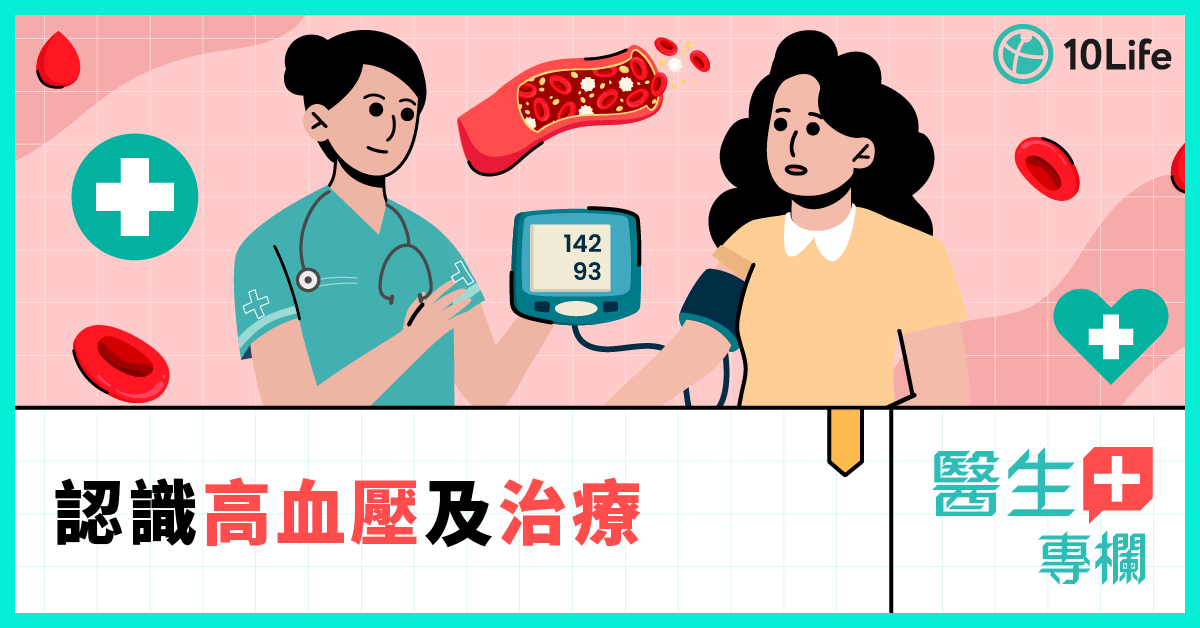
High blood pressure is a common chronic disease and an “invisible killer” in Hong Kong. It usually has no obvious symptoms, but if it persists, it will greatly increase the risk of coronary heart disease, heart failure and stroke, so it should be taken seriously and controlled promptly. Current treatment options can mainly be divided into three directions, including improving lifestyle habits, drug treatment, or undergoing renal sympathetic denervation.
Hypertension refers to a systolic blood pressure of 140mmHg or above, and/or a diastolic blood pressure of 90mmHg or above. However, if blood pressure has long been around 135mmHg systolic and 85mmHg diastolic, it also warrants closer attention and follow-up where necessary.
Clinically, nearly 90% of cases are primary hypertension, meaning the cause is unknown. That said, there are several risk factors to note, including age-related vascular stiffening, a family history of hypertension, obesity, lack of exercise, smoking, a diet high in salt, sugar and fat, and prolonged stress.
It should be noted that if hypertension is not properly treated or is poorly controlled, it may lead to serious complications such as coronary heart disease, stroke, heart failure or kidney disease. In particular, for every 20mmHg increase in systolic blood pressure and every 10mmHg increase in diastolic blood pressure, the mortality rate from cardiovascular disease doubles, which is a matter of concern.
When it comes to hypertension, many people ask whether medication is always necessary. In fact, the first step is usually to advise patients to change their exercise and dietary habits, including eating a light diet (such as reducing salt and preserved foods), quitting smoking and alcohol, controlling weight, and doing moderate aerobic exercise.
However, if blood pressure remains high after improving the above habits, or if these habits cannot be controlled, different antihypertensive medications will be recommended depending on the patient’s condition, for example whether they also have heart disease or diabetes. Commonly used medications include angiotensin-converting enzyme inhibitors, angiotensin receptor blockers, diuretics, beta-blockers, etc. These can help lower blood pressure, reduce the heart’s workload, and prevent complications.
For some cases of difficult-to-control hypertension, renal sympathetic denervation may be an effective treatment option. This minimally invasive procedure uses thermal ablation to destroy the nerves around the kidneys, blocking nerve conduction and thereby reducing the blood-pressure-regulating signals generated by the kidneys, which in turn lowers blood pressure. This procedure is suitable for patients who have taken three or more antihypertensive medications but still have uncontrolled blood pressure, while having normal kidney function; or for those who, after assessment, are considered to have a higher overall cardiovascular risk and a higher risk of hypertension-mediated organ damage (Hypertension-mediated organ damage, abbreviated as HMOD).
1. Moderate exercise
Engage in at least 150 minutes of moderate aerobic exercise each week, such as brisk walking, swimming, cycling, etc. This can enhance the elasticity of blood vessels.
2. Avoid unhealthy habits
Quitting smoking and drinking less alcohol, for example, can help reduce damage to cardiovascular health.
3. Regular check-ups
It is generally recommended to begin regular blood pressure checks from the age of 40, to help detect and control high blood pressure early and reduce the risk of complications.
Written by: Dr Tsang Chun-fung, Specialist in Cardiology
|
This English version of this article has been generated by machine translation powered by AI. It is provided solely for reference purposes. In the event of any discrepancy or inconsistency between this translation and the original Chinese version, the Chinese version shall prevail.

10Life Product Comparison and 10Life Insurance Ratings are developed by 10Life Financial Limited, an authorised insurance broker company licensed with the Insurance Authority under License Number FB1526. 10Life Product Comparison and 10Life Insurance Ratings are developed for generic customer segments using mathematical calculations based on product information, facts and data, and are not influenced by any partnerships with or fees received from insurance companies. Any information on 10Life Platform ("10Life Information"), including but not limited to Product Comparison, Product Ratings, Blog Articles are intended for general education purpose and reference only. None of the 10Life Information is intended, nor should they be considered or relied upon, as regulated advice, insurance, financial, investment or professional advice, recommendation, approval, endorsement, invitation or solicitation in respect of any insurance, financial or investment products. 10Life Information does not take into account your individual needs. Reading 10Life Information should not be considered as conducting a suitability assessment, and is not sufficient to form the basis of any decisions to purchase any insurance products. You should rely on information authorised by insurance companies, carry out your own research and/or seek independent advice from licensed intermediaries before purchasing any insurance products or making any insurance decisions. While reasonable effort is used when collecting, validating and updating 10Life Information from various channels, none of 10Life Group and its subsidiaries, affiliates, agents, directors, officers and employees will be responsible for any liability, claim or loss arising from or associated with you using 10Life Information. No warranty, representation or guarantee is given by 10Life Group and its subsidiaries on the accuracy, completeness and timeliness of the information. If you have any questions on 10Life Product Comparison and 10Life Insurance Ratings, please email us at enquiries@10life.com




 Talk to 10Life on WeChat
